




Blog
How to Install a Whole Home Generator in South Carolina
Power outages hit the Charleston area every storm season. Hurricanes, flooding, lightning strikes, and coastal storms leave homes without air conditioning, refrigeration, internet service, lighting, and sump pump protection for hours or days at a time.
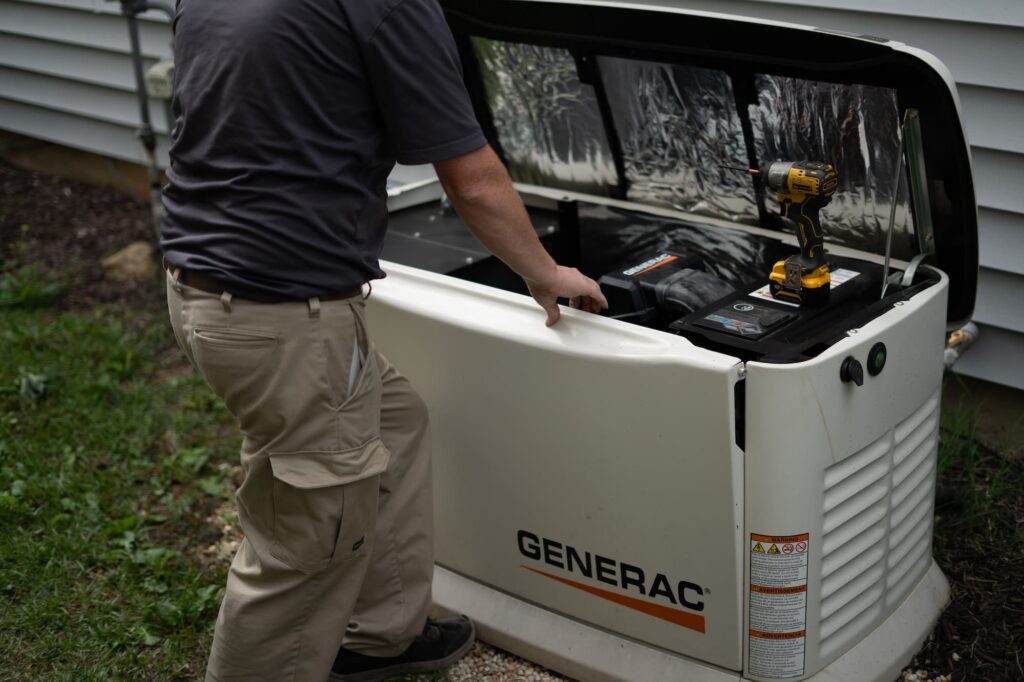
Learning how to install a whole home generator starts with understanding how the system connects into the home and what the installation process requires. A whole home generator install connects directly into the electrical system and starts automatically during an outage. There is no extension cord setup, portable refueling, or manual startup during severe weather.
LimRic Plumbing, Electrical, Heating and Air installs whole home generators across Charleston, Mount Pleasant, Summerville, Johns Island, West Ashley, Isle of Palms, and surrounding coastal communities.
What Goes Into Whole Home Generator Installation
Standby systems require electrical planning, fuel system integration, permit approval, and startup testing before activation.
Professional installation includes:
- Electrical load calculations
- Fuel line installation
- Transfer switch wiring
- Electrical panel integration
- Permit coordination
- Startup testing
- Final inspections
Whole home generators protect critical systems during outages, including:
- HVAC equipment
- Refrigerators and freezers
- Medical equipment
- Security systems
- Internet equipment
- Lighting
- Sump pumps
Charleston area homes deal with repeated outage risks during hurricane season. Many homeowners will ask if a whole house generator adds value during resale, especially in coastal areas where hurricane outages and flooding are common.
Understanding the Cost to Install Whole Home Generator Systems
The cost to install whole home generator equipment changes based on generator size, fuel setup, electrical demand, and site conditions around the property.
Larger homes require higher-capacity systems capable of supporting air conditioning systems, appliances, lighting, and active circuits during an outage. Natural gas and propane systems require different piping layouts and regulator setups, which affects installation planning too.
Other installation factors include:
- Generator transfer switch installation
- Electrical panel upgrades
- Fuel line routing
- Concrete pad preparation
- Drainage planning
- Permit requirements
- Elevated placement for flood-prone areas
Homes near marshes, flood zones, or raised foundations around Charleston sometimes require additional site preparation before a whole home generator project can begin safely.
Homeowners trying to choose the right generator for coastal South Carolina homes should account for flood exposure, HVAC demand, refrigeration needs, and how much of the home they want operating during an outage.
Installation Process Overview of How to Install a Whole Home Generator
The installation process starts with an in-home evaluation and electrical load calculation. The electrical team determines how much power the property needs during an outage and helps select the correct standby system.
Preparing the Installation Site
Generator placement affects airflow, drainage, code clearance, and long-term service access.
The system must sit on a stable surface away from windows, doors, vents, and standing water areas. Charleston’s storm season and coastal humidity make drainage planning important during generator installation projects.
Installers may use:
- Concrete pads
- Composite mounting bases
- Gravel drainage support
- Elevated placement in flood-prone locations
Connecting the Fuel Source
Most standby systems in South Carolina operate on natural gas or propane.
Fuel piping installation includes:
- Pressure regulation
- Pipe sizing verification
- Shutoff valve placement
- Leak testing
- Clearance inspections
Pressure testing verifies safe fuel delivery before startup begins.
Electrical Wiring and Generator Transfer Switch Installation
The generator transfer switch controls how the home moves between utility power and standby power during an outage.
When utility power fails, the generator transfer switch disconnects the home from the electrical grid and shifts the house onto generator power automatically.
Generator transfer switch installation connects the standby system directly into the electrical panel through dedicated circuits selected during the planning process.
LimRic Plumbing, Electrical, Heating and Air handles generator transfer switch installation, startup testing, and full system activation before the project is completed.
How Long Does Generator Installation Take?
Most standby generator projects take one to three days once permits, inspections, and equipment delivery are ready.
Project timelines change based on:
- Generator size
- Fuel source
- Electrical upgrades
- Site access
- Utility coordination
- Permit approval timing
The timeline for a whole home generator install increases if the property needs panel upgrades, additional fuel line work, or elevated placement in flood-prone areas.
Why Generator Maintenance Matters After Installation
Standby systems need regular generator maintenance to stay ready for storm season across coastal South Carolina.
Generator maintenance includes:
- Oil changes
- Battery inspections
- Startup testing
- Filter replacement
- Electrical connection checks
- Fuel system inspections
If a generator won’t start during an outage, the problem can involve the battery, fuel delivery system, transfer switch communication, or electrical controls.
When a generator fails during severe weather, fast diagnostics become important because refrigeration, HVAC equipment, lighting, and medical systems may already be offline.
LimRic Plumbing, Electrical, Heating and Air provides generator repair services throughout the Charleston area for standby systems experiencing startup issues, transfer switch problems, or storm-related failures.
Why Charleston Homeowners Choose LimRic Plumbing, Electrical, Heating and Air
Generator installation involves electrical work, fuel system integration, inspections, startup testing, and code compliance.
LimRic Plumbing, Electrical, Heating and Air installs whole home generators using licensed technicians trained in South Carolina electrical and fuel gas code requirements.
The company provides:
- Generator sizing
- Permit coordination
- Fuel line installation
- Electrical integration
- Generator transfer switch installation
- Generator repair
- Long-term Generator maintenance
Schedule online or call (843) 380-2175 to request an estimate for whole home generator installation in Charleston and surrounding South Carolina communities.
Schedule Online(843) 380-2175Frequently Asked Questions
A standby system monitors incoming utility power through the transfer switch. During an outage, the system starts automatically and powers selected circuits or the entire home.
Most standby systems in South Carolina operate on natural gas or propane depending on utility access and property layout.
Yes. Standby generator installation requires permits, inspections, and licensed electrical work tied to local Charleston code requirements.