




Blog
Why Your Toilet Is Not Filling With Water - Common Causes and Fixes
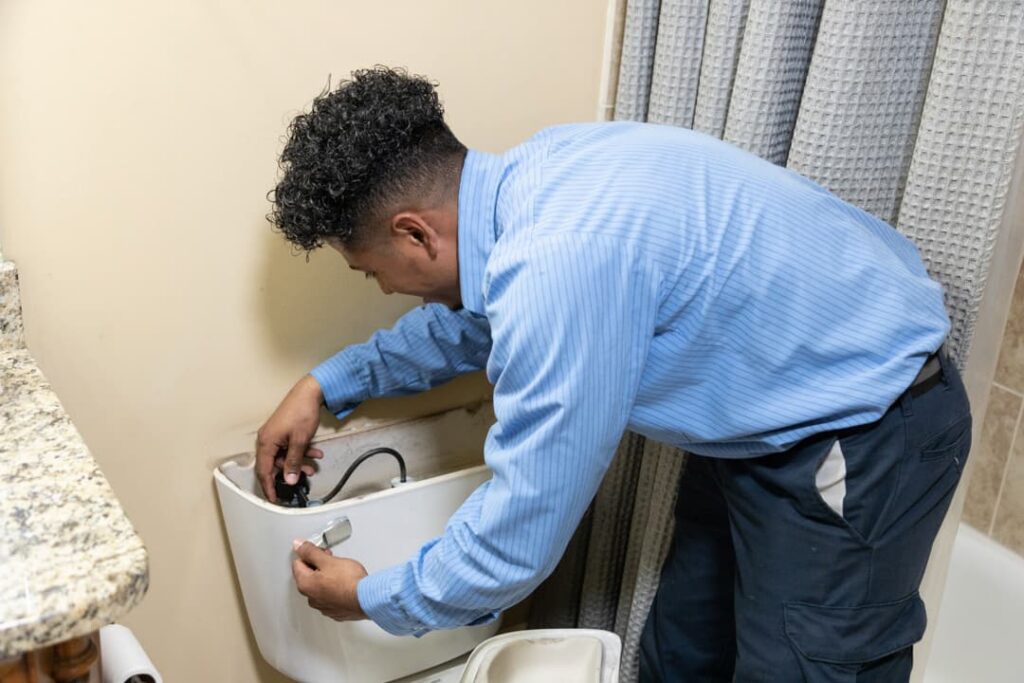
If your toilet is not filling with water after flushing, the most common causes are a faulty fill valve, stuck float, clogged supply line, or mineral buildup restricting water flow into the tank.
In Charleston and throughout the Lowcountry, hard water deposits, sediment buildup, aging plumbing fixtures, and corrosion inside older homes can make toilet refill problems more common.
Some problems need a quick adjustment while others require replacement parts or professional repair.
LimRic Plumbing, Electrical, Heating and Air handles toilet repair services throughout Charleston, Mount Pleasant, Johns Island, James Island, Summerville, West Ashley, Kiawah Island, and surrounding coastal communities.
Quick Toilet Troubleshooting Checklist
If your toilet won’t refill, check these first:
- Is the shutoff valve fully open?
- Is the float stuck?
- Is the fill valve making hissing sounds?
- Is the refill tube disconnected?
- Is the water supply line kinked?
- Is hard water buildup blocking the valve?
- Is the flapper stuck open?
Common Reasons a Toilet Is Not Filling With Water
A toilet not filling up after flushing comes from restricted water flow or failing tank components.
Older Charleston homes near Boone Hall Plantation and the Historic Charleston City Market deal with sediment buildup inside plumbing fixtures from years of mineral exposure.
Water Supply Valve Problems
The water supply valve controls flow into the toilet tank. If the valve stays partially closed, it can cause the toilet to fill slowly after every flush.
Check for:
- A partially closed shutoff handle
- Corrosion around the valve
- Weak refill flow
- Moisture near the connection
A damaged water supply line creates similar problems when the hose kinks or clogs with debris.
Faulty Fill Valve Problems
The fill valve controls how the toilet tank refills after flushing.
When the fill valve wears out, the tank refills slowly or stops refilling completely. Some systems hiss continuously while others struggle to refill at all.
Signs the fill valve needs replacement include:
- Toilet not filling with water after flushing
- Weak refill speed
- Inconsistent tank levels
- Water running continuously
Newer fill valve designs run quieter and last longer than older ball-float systems found in aging Charleston homes.
Float and Bowl Refill Problems
The float cup controls the water level inside the toilet tank. If the float gets stuck too low, the refill cycle stops before enough water enters the system.
A toilet bowl not filling with water after flushing points to:
- Float adjustment problems
- Mineral buildup
- Restricted refill flow
Homeowners can test the float by gently lifting it during the refill cycle to check if water flow changes.
Mineral Buildup Inside the Toilet
Charleston-area homes deal with mineral buildup from hard water and aging plumbing systems. Sediment blocks small openings inside the fixture and slows refill speed.
This buildup leads to:
- Weak flushing
- Slow refill cycles
- Low bowl water levels
- No water filling toilet after flushing
Vinegar and gentle cleaning solutions help clear buildup without damaging porcelain surfaces.
Flapper Problems and Hidden Leaks
The flapper seals the bottom opening inside the tank after flushing. If it fails to close correctly, water escapes continuously and prevents the tank from refilling properly.
A troubled toilet will continue running or moving water long after the flush cycle ends.
Other warning signs include:
- toilet leaking around the base
- toilet leaking from the bottom
- weak flushing power
- inconsistent bowl refill
A toilet making noise after flushing points to worn internal tank components in many older systems.
Disconnected Refill Tube
The refill tube inside the toilet tank helps direct water back into the bowl after flushing. If it slips out of place, disconnects, or becomes blocked, the toilet bowl may not refill properly even when the tank is filling.
Charleston-area homes with aging plumbing fixtures or mineral buildup sometimes develop restricted refill tubes that slow water flow after flushing.
If the fixture keeps breaking down, full toilet replacement services become a better long-term solution than repeated repairs.
When to Call LimRic Plumbing, Electrical, Heating and Air
Homeowners can check the water supply valve, inspect the fill valve, and test float movement before scheduling service.
If the fixture still struggles after basic troubleshooting, professional toilet repair services help identify hidden leaks, damaged components, or supply restrictions.
LimRic Plumbing, Electrical, Heating and Air provides toilet installation service, repair diagnostics, and replacement work throughout Charleston and surrounding coastal communities.
We handle:
- Fill valve replacement
- Leak diagnosis
- Float adjustments
- Supply line repairs
- Fixture replacement
Schedule online or call (843) 380-2175 to schedule plumbing services in Charleston and surrounding South Carolina communities.
Schedule Online(843) 380-2175Frequently Asked Questions
Common causes include a faulty fill valve, stuck float, partially closed water supply valve, or mineral buildup inside the tank.
Yes. Mineral deposits block openings inside the fixture and slow refill speed over time.
If the fixture has repeated leaks, internal failures, or visible damage, replacement becomes the better long-term option.