




Blog
Is Your Toilet Making Noise After Flushing? Common Causes & When to Call a Plumber

You flush, and then it starts. A foghorn blast through the pipes. A high-pitched hiss that won't quit. A random refill cycle at 2 a.m. when no one's been near the bathroom in hours.
Whatever noise your toilet is making, it's trying to tell you something - and in most cases, the fix is simpler than you think.
Charleston homeowners have an extra reason to pay attention to these sounds. The Lowcountry's humidity accelerates rubber seal degradation, and the mineral content in local water causes sediment buildup inside fill valves and flappers faster than in most parts of the country. Older homes in downtown Charleston, James Island, and Mount Pleasant - many with original plumbing configurations - are especially prone to the issues below.
This guide breaks down every noisy toilet problem by sound type, explains what's causing it, and tells you exactly what to do about it - including when it's a quick DIY fix and when it's time to call a licensed plumber.
In this article:
- Watch for These Toilet Noises After Flushing
- Banging Noise Issue: Water Hammer in Your Pipes
- Whistling or Screeching Noise: Faulty Fill Valve or Worn Diaphragm
- Foghorn Noise Problem: Loose Washer in the Ballcock Assembly
- Gurgling or Bubbling Noise: Blocked Toilet Vent or Drain Clog
- Ghost Flushing: A Slow Leak You Can't See
- Why Your Toilet Tank Keeps Making Noise After Refilling
- When to Call a Plumber vs. Fix It Yourself
- Toilet Noise FAQs
- Need Help with Toilet Noise in Charleston, SC?
Watch for These Toilet Noises After Flushing
Not all toilet noises mean the same thing. The fastest way to diagnose the problem is to match what you're hearing to the timing and type of sound.
| What you hear | When you hear it | Likely cause |
|---|---|---|
| Loud bang or thud | Immediately after flushing | Water hammer |
| High-pitched whistle or screech | During tank refill | Faulty fill valve or worn diaphragm |
| Deep foghorn or rumbling | During or after flush | Loose washer in ballcock/shut-off valve |
| Gurgling or bubbling | During or after flush | Blocked vent stack or partial clog |
| Hissing | Continuous, between flushes | Worn flapper or float set too high |
| Phantom refill cycle | Randomly, hours after flushing | Ghost flushing - slow leak from flapper |
Read the section below that matches your sound for a specific diagnosis and fix.
Banging Noise Issue: Water Hammer in Your Pipes
A loud bang or thud immediately after flushing - sometimes hard enough to rattle pictures on the wall - is called water hammer. It happens when your fill valve closes quickly and the fast-moving water in the supply line has nowhere to go. That pressure has to go somewhere, so it slams into the valve or pipe fitting like a shockwave.
Over time, water hammer doesn't just make noise. It loosens pipe joints, stresses fittings, and can crack supply lines. Older Charleston homes without built-in water hammer arrestors are especially vulnerable, particularly those with copper supply lines, which transmit vibration loudly through walls and floors.
What to try first: Locate the water supply line behind your toilet. While someone flushes, gently hold the line steady against the wall. If the banging stops or reduces, the line itself is vibrating - foam pipe wrap or a simple clamp can fix it.
The real fix: Install a water hammer arrestor on the supply line behind the toilet. Screw-on models are available at any hardware store for under $20 and take about five minutes to install. Place it within six feet of the toilet valve for maximum effectiveness.
When to call LimRic: If you have arrestors installed and still hear banging, or if the noise is coming from inside the wall rather than the visible supply line, your home's water pressure may be too high. The safe range is 50–70 psi. Pressure above 70 psi stresses your entire plumbing system, not just the toilet. A licensed plumber can test your pressure and install a regulator if needed.
Whistling or Screeching Noise: Faulty Fill Valve or Worn Diaphragm
A high-pitched whistle or screech during the tank refill cycle almost always points to the fill valve - specifically a worn rubber diaphragm inside it. As the diaphragm deteriorates, water is forced through a narrowing gap, creating that kettle-about-to-boil sound.
Fill valves typically last five to seven years before the internal rubber components start breaking down. In Charleston's climate, mineral-rich water speeds up that timeline. Sediment from the water supply can also lodge inside the valve mechanism, causing noise even in newer valves.
How to confirm it's the fill valve: Lift the tank lid while the toilet is refilling. If the noise is loudest right at the valve itself, that's your answer.
What to try first: Turn off the water supply to the toilet (the shut-off valve is on the wall behind it). Flush to empty the tank. Remove the fill valve cap - on most modern valves it twists off counterclockwise. Check the diaphragm seal under the cap for cracks, warping, or debris. Cleaning or replacing just the diaphragm can stop the noise without replacing the whole valve.
The full fix: If the diaphragm is intact, replace the entire fill valve. Universal replacement valves (Fluidmaster 400A is a common, reliable choice) cost around $10–15 and come with step-by-step instructions. The job takes about 20 minutes with basic tools.
When to call LimRic: If you've replaced the fill valve and the whistle continues, the problem may be with your home's water pressure or the supply line itself. Give us a call and we can diagnose it quickly.
Foghorn Noise Problem: Loose Washer in the Ballcock Assembly
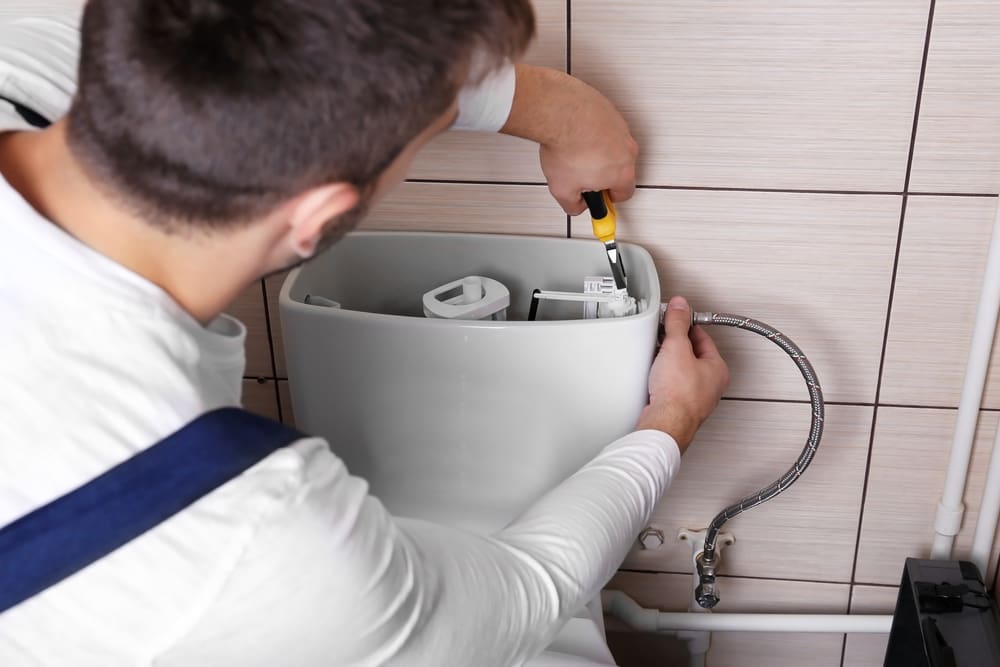
If your toilet sounds like a cruise ship departing port - a deep, resonant foghorn blast - the culprit is almost always a loose or deteriorating washer inside the ballcock assembly or shut-off valve.
As water rushes through, the loose washer vibrates rapidly, amplifying into that unmistakable low rumble. Older toilets with a black, float-style ballcock valve are most prone to this. The sound typically gets worse over time as the washer continues to wear.
How to confirm it: Lift the tank lid and flush. While the tank refills, lift the float arm upward with your hand. If the foghorn noise stops or reduces, the problem is inside the ballcock assembly - specifically the washer.
What to try first: Turn off the water supply and drain the tank. Disassemble the ballcock assembly (most unscrew from the top) and locate the washer at the base of the valve. If it's loose, cracked, or flattened, replace it. Washers cost pennies and are available at any hardware store.
The full fix: If the washer looks fine or the noise returns quickly after replacing it, replace the entire ballcock assembly. Modern fill valves are a direct upgrade over older ballcock designs - quieter, more reliable, and less prone to this exact problem.
When to call LimRic: If you're on an older home's original plumbing and not comfortable disassembling the ballcock, or if the shut-off valve behind the toilet is corroded and difficult to close fully, call us. Forcing a stuck shut-off valve can cause a bigger problem than the noise.
Gurgling or Bubbling Noise: Blocked Toilet Vent or Drain Clog
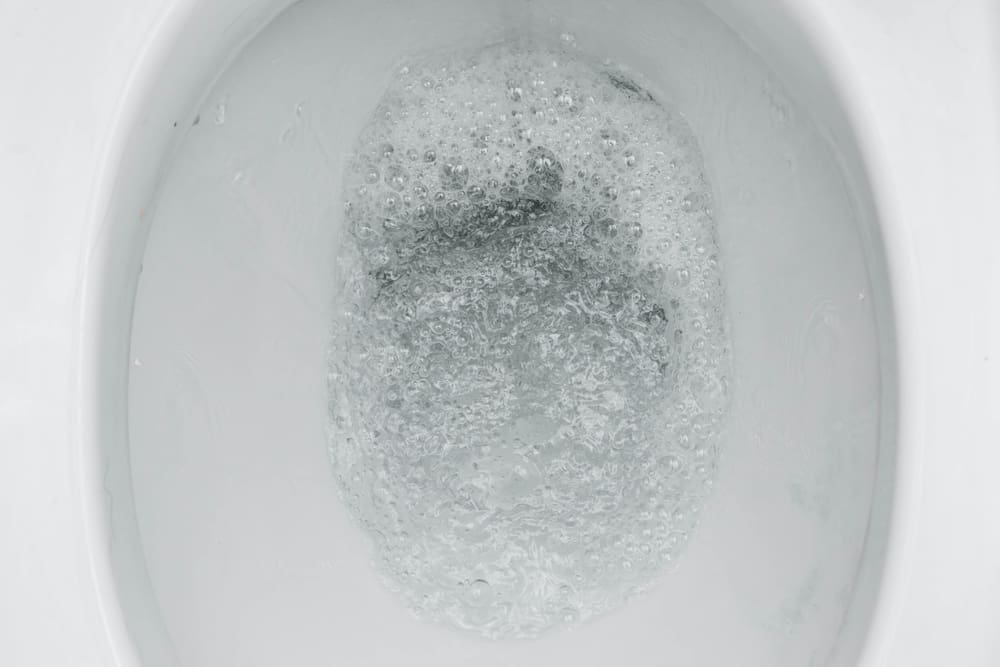
Gurgling or bubbling from the toilet bowl - especially if you're also hearing it from nearby sink or tub drains when you flush - points to one of two things: a blocked vent stack or a partial drain clog.
Here's why: when water flushes through your drain pipes, it creates negative pressure (a partial vacuum) behind it. The vent pipe running from your drain system through the roof is what allows air in to equalize that pressure. When the vent is blocked - by leaves, debris, a bird's nest, or seasonal pollen buildup - air gets pulled through the nearest opening instead, which is usually your toilet trap. That's the gurgling sound.
Charleston's mature tree canopy and seasonal storms make blocked vents more common here than in most cities. If the gurgling started after a storm or during heavy leaf season, that's a strong clue.
How to confirm it's the vent: Go outside and look for the plumbing vent pipe on your roof - it's typically a 3–4 inch pipe near the bathroom side of the house. If you can see visible debris at the opening, that's your problem.
What to try first for a vent blockage: Carefully clear visible debris from the vent opening. You can run a garden hose gently into the vent pipe to flush lightweight debris down. If you can see a blockage but can't clear it with water, a short plumber's snake can help.
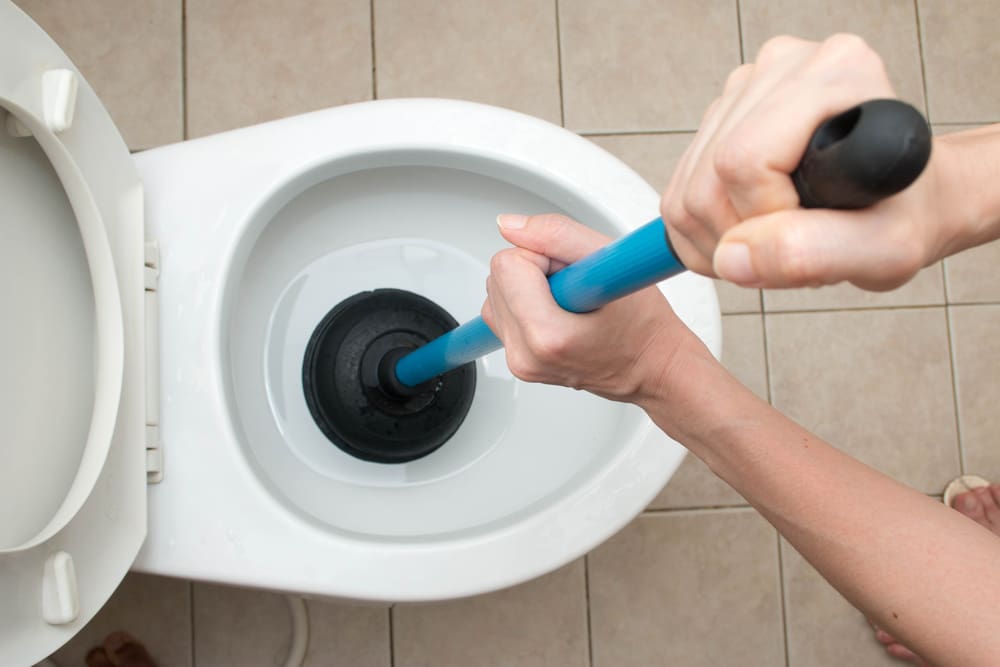
What to try first for a drain clog: Use a plunger with a firm seal on the toilet bowl opening. For partial clogs, ten to fifteen firm plunges will often clear it. A toilet auger (drain snake) can reach clogs further down the line.
When to call LimRic: If the gurgling affects multiple fixtures simultaneously, or if plunging doesn't resolve it, the blockage may be in the main sewer line rather than a fixture drain. This is especially common in older neighborhoods where tree roots can infiltrate sewer lines. Our team uses sewer camera inspection to pinpoint the exact location before recommending any repair - no guesswork, no unnecessary digging.
Ghost Flushing: A Slow Leak You Can't See
Ghost flushing is the name for when your toilet randomly refills on its own - sometimes hours after anyone has used it, sometimes multiple times a night. There's no ghost involved. What's actually happening is that water is slowly leaking from the tank into the bowl, and once enough has escaped, the fill valve kicks on to refill the tank.
The most common cause is a worn or warped flapper seal. The flapper is the rubber disc that covers the flush valve opening at the bottom of the tank. When it's new and supple, it creates a perfect seal. Over time - especially in humid coastal environments like Charleston - the rubber degrades, warps, or gets coated with mineral deposits, and that seal starts to fail.
A toilet leaking this way can waste 30 to 100 gallons of water per day without any visible drip. That shows up on your water bill before you ever hear the problem.
How to confirm ghost flushing: Drop a few drops of food coloring into the tank. Don't flush. Wait 15–20 minutes. If any color appears in the bowl, water is leaking through the flapper - your toilet has a ghost flushing problem.
What to try first: Check the flapper chain first. If it's caught under the flapper or pulled too tight, it can prevent a full seal without the flapper itself being worn. Adjust the chain so it has about half an inch of slack.
The fix: If the chain is fine, replace the flapper. Turn off the water supply, flush to drain the tank, unhook the old flapper from the overflow tube pegs, and snap the new one in place. Match the flapper to your toilet brand when possible - universal flappers work but brand-specific flappers seal better. This is one of the easiest and cheapest toilet repairs there is.
Also check: If you've replaced the flapper and ghost flushing continues, the flush valve seat (the opening the flapper sits on) may be pitted or corroded. Run your finger around the rim - it should feel smooth. If it feels rough or uneven, the seat needs to be replaced or resurfaced. This is a job for a plumber.
When to call LimRic: If ghost flushing persists after replacing the flapper, or if you notice the water level in the tank is sitting right at the top of the overflow tube (water trickling into it constantly), there may be a fill valve or float adjustment issue. Give us a call.
Why Your Toilet Tank Keeps Making Noise After Refilling
If your toilet sounds fine during the flush but continues making noise after the tank should be full, you're likely dealing with one of these three issues:
Fill valve not shutting off completely. The fill valve should close when the water reaches a set level. If it's staying partially open - due to a worn seal, a misadjusted float, or debris in the mechanism - water continues flowing past the closed position, creating a low hiss or trickle sound. Check that the float arm isn't bent upward (which raises the shutoff point above the overflow tube) and that the fill valve cap and seal are intact.
Water pressure fluctuations. Municipal water pressure cycles up and down, especially overnight. If your home's pressure is borderline high, nighttime pressure spikes can force water past a partially closed fill valve, triggering a brief refill cycle. Installing a pressure regulator solves this permanently.
Worn ballcock or fill valve nearing end of life. If your toilet is more than ten years old and has its original fill valve, it may simply be wearing out. A new fill valve is inexpensive and will likely stop the noise entirely.
When to Call a Plumber vs. Fix It Yourself
Most toilet noise issues are genuinely DIY-friendly. Here's a clear breakdown:
Fix it yourself if:
- The noise is a foghorn and you can confirm a loose washer by lifting the float
- Ghost flushing stops when you replace the flapper
- You can see visible debris in the roof vent and clear it safely
- A water hammer arrestor is the clear fix and you're comfortable with basic plumbing connections
- The hissing stops when you adjust the float arm position
Call LimRic if:
- The banging is coming from inside a wall
- Your home's water pressure is above 70 psi
- Multiple drains are gurgling or backing up simultaneously
- Ghost flushing persists after replacing both the flapper and fill valve
- The shut-off valve behind the toilet won't close fully or is visibly corroded
- You're seeing water on the floor around the base of the toilet
- The toilet is more than 15 years old and has had recurring issues - at some point, repair costs exceed replacement value
Need Help with Toilet Noise in Charleston, SC?
When you need toilet repair and other plumbing services in Charleston, Summerville, Mount Pleasant, James Island, Goose Creek, and the surrounding Lowcountry, LimRic's licensed plumbers are ready to help. We handle everything from a worn fill valve to a complete toilet replacement - and we offer emergency plumbing services for urgent issues like sewer backups.
Our plumbers serve the Charleston area and can typically be at your door the same day.
Schedule Online(843) 380-2175Frequently Asked Questions
A toilet making noise hours after flushing - with no one having used it - is almost always ghost flushing. Water is slowly leaking from the tank into the bowl through a worn flapper seal, and the fill valve refills the tank once enough water has escaped. Confirm it with the food coloring test described above.
Yes, in most cases. A continuous hissing sound between flushes means water is escaping from the tank into the bowl (worn flapper) or past the fill valve (worn diaphragm or float set too high). Both waste significant water and should be addressed promptly.
Water hammer - the banging noise - is the one toilet sound that can cause real damage over time. Repeated pressure shocks loosen pipe joints, crack fittings, and stress supply lines. The other toilet noises are mostly symptoms of wasted water or worn parts rather than structural risks, but they should still be repaired.
Most fill valves last five to seven years. In areas with hard water or high humidity - like coastal South Carolina - they can wear faster. If your fill valve is making noise and is over five years old, replacing it is often the most cost-effective path rather than trying to repair individual components.
Gurgling without flushing usually indicates a venting issue or a blockage further down the drain line. If the gurgling happens when you run water in another fixture (sink, shower), the main vent stack or a shared drain line is likely partially blocked. This warrants a call to a plumber.