



How Long Do Air Conditioners Last?
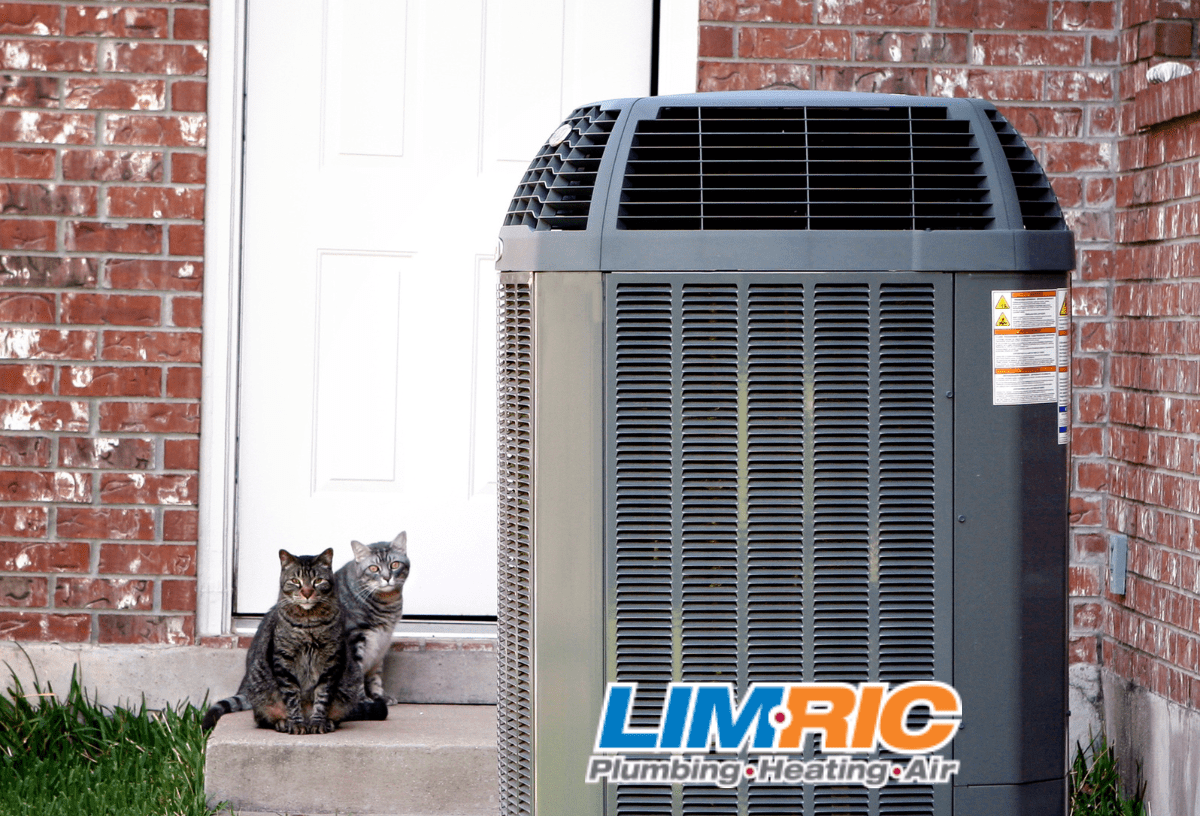
The short answer: most central air conditioners last between 15 and 20 years. But in the Lowcountry, that range can run shorter. The combination of heat, humidity, and near year-round operation puts more wear on a system than a milder climate would. A unit that might last 18 years in the Midwest may hit its limit closer to 12 or 14 here.
In Charleston, a working air conditioner isn’t a luxury. It’s a necessity. With summers that regularly push into the 90s and humidity that lingers well into fall, your AC works harder here than it does almost anywhere else in the country and emergency air conditioning repairs can create a real problem. So when it starts showing its age, you need to know what you’re dealing with.
The good news is that lifespan is largely in your control. How well the AC system was installed, how consistently it’s been maintained, and how hard it’s been pushed all have a significant impact. The LimRic team has serviced thousands of AC systems across Charleston, North Charleston, Mount Pleasant, and Summerville, and the units that last are almost always the ones that get regular attention.
How Long Do Different Types of Air Conditioners Last?
How long do air conditioners last depends significantly on the type of system in your home. AC units are designed with different use cases in mind, and their average lifespan reflects that. Here is what you can expect from the most common systems:
Central Air Conditioners are the most common type found in Charleston-area homes. With regular maintenance, a central air conditioning unit typically lasts 15 to 20 years. Systems that are well-installed and serviced consistently can push toward the higher end of that range.
Ductless Mini-Split Systems share a similar lifespan to central air conditioners, generally lasting 15 to 20 years. Because the components experience less strain from ductwork losses, and because maintenance is more straightforward, mini-splits often hold up well over one or two decades with proper care.
Heat Pump Systems handle both heating and cooling, which means they run year-round rather than seasonally. This additional demand typically shortens their lifespan compared to cooling-only systems, with most heat pumps lasting 10 to 15 years. In Charleston’s climate, where heating demand is relatively low, heat pumps often trend toward the higher end of that range.
Window Air Conditioners have a significantly shorter lifespan than whole-home systems. Most window units last 8 to 10 years, and lower-cost models may need replacement sooner.
Portable Air Conditioners have the shortest unit lifespan of any common system type, typically lasting 5 to 10 years. These are best suited for supplemental cooling rather than primary use.
Determining the Lifespan of Your Air Conditioner
When it comes to figuring out how long AC units last, there’s no one-size-fits-all answer. On average, central air conditioners last about 15 to 20 years. However, this lifespan is subject to wear and tear, maintenance, and the quality of the AC system.
The Role of Regular Maintenance in Extending the Life of Your AC
Regular AC maintenance can considerably extend the life of your air conditioner. A well-maintained AC unit can last up to 15 to 20 years or even longer.
Just as your car requires regular oil changes and tire rotations, your AC system needs consistent upkeep. The outdoor unit, which is typically the most exposed to the elements, benefits from periodic cleaning. Cleaning the air filter, one of the most crucial components of the AC system, should also be a part of your maintenance schedule.
Preventative maintenance involves the services of a professional HVAC technician. A professional can identify and repair minor issues before they escalate into significant problems that could potentially require you to replace your air conditioner.
If you’ve been scouring the internet for “AC unit maintenance near me” to ensure your AC system runs optimally, turn to LimRic!
How Charleston’s Climate Affects Your Air Conditioner’s Lifespan
For homeowners in the Lowcountry, the question of how long air conditioners last has a more complicated answer than national averages suggest. Charleston’s coastal environment introduces conditions that accelerate wear in ways that standard hvac lifespan estimates do not account for.
Salt air and corrosion. Homes within several miles of the coast are exposed to salt-laden air that corrodes the aluminum fins and copper components of outdoor condenser units. This corrosion is not immediately visible, but over several years it restricts airflow, reduces energy efficiency, and causes components to fail earlier than they would inland. Regular maintenance that includes coil cleaning and applying protective coatings can slow this process, but it cannot eliminate it entirely.
Near year-round operation. Most national estimates for air conditioner lifespan assume a cooling season of four to six months. In Charleston, air conditioners run comfortably into October and often kick on during warm spells in late winter. That extended season means more operating hours per year and faster accumulation of wear on the compressor, capacitor, and fan motors.
Humidity. High humidity causes air conditioners to work harder because they must remove moisture from the air before they can lower the temperature. A system running in consistently humid conditions experiences more compressor strain than one in a drier climate. This is one reason why regular maintenance matters more in the Lowcountry than in many other parts of the country.
The practical takeaway is that Charleston homeowners should expect their air conditioners to trend toward the lower end of published lifespan ranges unless they are diligent about annual service. A central air conditioning unit that might last 20 years in a moderate inland climate may realistically last 14 to 16 years here without consistent upkeep.
How to Find Out How Old Your Air Conditioner Is
Before you can apply any lifespan advice to your own situation, you need to know how old your system actually is. The manufacture date is encoded in the serial number on your outdoor condenser unit. Decoding it varies by brand:
| Brand | How to Read the Serial Number |
|---|---|
| Carrier / Bryant | First 4 digits = week + year (e.g., 1216 = 12th week of 2016) |
| Trane / American Standard | Letter = month, next 2 digits = year |
| Lennox | First letter = year, second character = month |
| Rheem / Ruud | 2nd and 3rd digits = year, 4th and 5th digits = week |
| York | 2nd and 3rd digits = year of manufacture |
If you can’t decode it, the installation sticker on the unit often lists the date directly.
Recognizing When It’s Time to Repair or Replace Your Air Conditioner
How long do air conditioners last? While this can depend on many factors, you also need to know when it’s time to repair or replace your air conditioner.
Repeated breakdowns, decreasing energy efficiency, and increasing noise levels can indicate that your air conditioning system might be nearing the end of its lifespan. If your central air system is over 15 years old and regularly causing trouble, it might be time to consider a replacement.
Understanding the Impact of Wear and Tear on Your AC Unit’s Lifespan
Wear and tear from regular use and exposure to weather elements can impact how long AC units last. This aging process is natural and unavoidable. However, certain practices can help mitigate the effects of wear and tear.
For instance, using a cover for your outdoor unit during the offseason can help protect it from harsh weather conditions. Moreover, scheduling regular maintenance with a reputable HVAC technician can help identify potential issues and fix them before they cause severe damage.
The Importance of Energy Efficiency
Energy efficiency plays a critical role in the lifespan of your air conditioner. Older AC units that struggle to cool your home efficiently may lead to higher energy bills and shorten the lifespan of the unit.
Upgrading to a more energy-efficient air conditioning unit may not only save you money on utility bills but could also extend the lifespan of the unit.
AC Units: The Longevity Guide
So, how long do air conditioners last? To sum it up, the lifespan of an AC system can range from 15 to 20 years, depending on the maintenance it receives, the quality of the unit, and the level of wear and tear. Regular maintenance by a trusted HVAC technician can help extend the life of your AC, saving you money and ensuring your home stays comfortable throughout the seasons.
Understanding the lifespan of your air conditioner is essential to ensure you get the best value for your investment. In need of maintenance or repair services? Don’t hesitate to reach out to LimRic, the best AC repair company in Summerville, SC, and beyond. With our expertise, you can rest assured your air conditioning system is in good hands.
In the end, knowing the lifespan of your air conditioning unit allows you to plan for the future, ensuring that you always have a cool, comfortable home environment, no matter what the weather brings.