




Blog
Air Conditioner Energy Efficiency: 7 Easy Ways to Improve Air Conditioning Efficiency
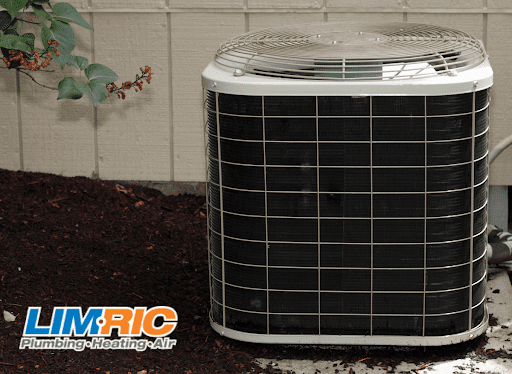
The ability to harness cool air to counter the stifling heat of summer is a modern luxury that many of us take for granted. Air conditioning systems have transformed how we live, work, and play, and for many, the idea of living without one seems unthinkable. Despite this, few of us think about how to improve air conditioner efficiency until the dreaded energy bill lands on our doorstep or our unit grinds to a halt on the hottest day of the year.
Understanding Air Conditioner Efficiency
To fully understand the ways to improve air conditioner efficiency, it's essential to know how your air conditioning system operates. The air conditioner in your home removes warm air. It does not create cold air, which is a common misconception. The warm air is pushed over a condenser unit, where it's cooled and then recirculated back into your home.
Improving your air conditioning efficiency is not only about keeping cool air circulating. It is also about preventing warm air from seeping back in, which forces your unit to work harder than necessary. Proper installation and correctly sizing your system for your home play a big role in this — an oversized or undersized unit will cycle inefficiently no matter how well you maintain it. Beyond that, knowing how to optimize your system and utilize energy-saving strategies makes a meaningful difference in both performance and lifespan.
Regular Maintenance of Your AC Unit
Maintaining your AC unit is one of the simplest ways to improve air conditioner efficiency. Regularly inspect and clean your air filter to prevent it from clogging up and forcing your system to work harder than needed. A dirty air filter can reduce the flow of conditioned air, making your unit less efficient and increasing your home energy costs.
Here’s what else you can do:
Sealing Air Leaks to Create an Efficient HVAC System
Air leaks in your home can significantly affect the efficiency of your air conditioning system. Warm air can creep into your home while cool air leaks out, forcing your system to work twice as hard to maintain a comfortable temperature. Seal any air leaks in your home using weather stripping or caulk to boost your air conditioner's efficiency and save money on energy bills.
Upgrading to a Programmable Thermostat
A programmable thermostat can automatically adjust the temperature in your home according to your schedule. By allowing the temperature to rise when you're away and cooling it down before you return, you can improve the efficiency of your air conditioning system and significantly reduce energy consumption.
Positioning Heat-Producing Appliances Wisely
Believe it or not, the placement of heat-producing appliances in your home can impact your air conditioner's efficiency. Appliances such as lamps, televisions, and ovens can cause your air conditioning unit to run longer and work harder if they are placed near your thermostat, as they can make the device think the home is warmer than it actually is.
Insulating Your Home
Proper insulation helps to prevent the loss of cool air from your home, making it one of the effective ways to improve air conditioner efficiency. This not only reduces the strain on your system but also results in lower energy consumption and costs.
Protecting the Outdoor Unit
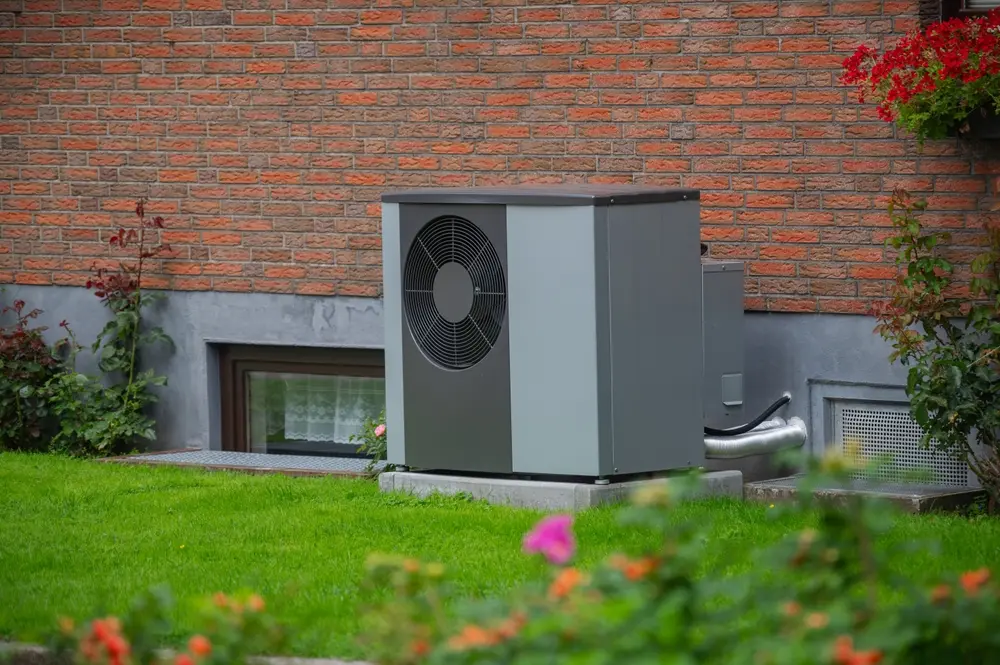
The outdoor unit of your air conditioning system is exposed to the elements and can become less efficient if not properly maintained. Regularly clean the outdoor unit and ensure it is shaded from direct sunlight to improve the efficiency of your system.
Proper Size and Installation of Air Conditioners
An improperly sized or poorly installed air conditioning system can result in lower efficiency. If your unit is too small, it will have to work harder to cool your home. On the other hand, an oversized unit can lead to frequent cycling, reducing its lifespan. It's recommended to consult professionals for AC installation in Charleston, SC, to ensure that your HVAC system is appropriately sized and correctly installed.
Utilizing Energy-Efficient Appliances
While it may seem like a substantial upfront investment, upgrading to energy-efficient appliances, such as an energy-efficient air conditioner in Charleston, SC, can significantly improve the overall efficiency of your home's heating and cooling. These appliances are designed to utilize less power while providing the same level of service, helping to reduce your energy costs in the long run.
| Efficiency Improvement | How It Helps | Recommended Frequency |
|---|---|---|
| Replace Air Filters | Improves airflow and reduces strain | Every 1-3 months |
| Schedule AC Maintenance | Improves performance and efficiency | Annually |
| Seal Air Leaks | Prevents cooled air loss | As needed |
| Clean Outdoor Unit | Improves heat transfer | Seasonally |
| Install Smart Thermostat | Reduces unnecessary cooling | One-time upgrade |
| Upgrade Insulation | Reduces heat gain | As needed |
How Much Does AC Efficiency Affect Energy Bills
Many homeowners start researching air conditioner energy efficiency when they notice rising utility bills. The reality is that the efficiency of your air conditioning system can have a significant impact on monthly operating costs. An efficient air conditioner requires less electricity to deliver the same level of comfort, while an inefficient system must work harder and consume more energy to cool the home.Several factors affect energy consumption. Dirty air filters restrict airflow, forcing the air conditioning system to run longer to reach the desired temperature. Leaky ductwork allows conditioned air to escape before it reaches living spaces, increasing the workload on the equipment. Poor insulation can also allow heat to enter the home, making the cooling system operate longer throughout the day. The efficiency of an air conditioning system is often measured using ratings such as SEER and EER. The energy efficiency ratio (EER) measures how efficiently an air conditioner operates under specific conditions, while SEER ratings evaluate seasonal performance. Higher ratings generally indicate a more energy efficient system that can cool your home using less electricity over time.For older equipment, efficiency losses can add up quickly. As components wear and dirt accumulates, the system may require more energy to produce the same cooling output. Regular maintenance, airflow improvements, and equipment upgrades can all contribute to meaningful energy savings while helping extend the life of the HVAC system
Homeowners considering replacement may benefit from upgrading to a modern high-efficiency air conditioning system. Many newer units offer improved performance, advanced controls, and higher SEER ratings than older equipment. Some qualifying systems may also carry the ENERGY STAR designation, indicating they meet established efficiency standards.
Whether your goal is reducing cooling costs, improving comfort, or extending the life of your equipment, small efficiency improvements can make a noticeable difference. For many Charleston homeowners, a combination of regular maintenance, proper insulation, smart thermostats, and an efficient HVAC system provides the best long-term results.
Turn to LimRic for Energy Efficient AC Systems
Improving your air conditioner's efficiency is a multi-faceted task that requires consistent maintenance, smart usage, and an understanding of how your system works. By following these simple steps, you can ensure that your unit is operating at its optimal efficiency, reducing your energy costs and helping to create a more sustainable future.
So, don't wait until the heat of summer makes your energy bill skyrocket or your AC unit breaks down. Take proactive steps now to improve your air conditioner's efficiency. Whether it's regular AC maintenance, sealing air leaks, installing a programmable thermostat, or even upgrading to energy-efficient appliances, each step you take can make a significant difference in your energy consumption and your wallet. Don't forget to consult professionals for advice and service to ensure your system is performing at its best.
How Charleston's Climate Affects Air Conditioner Efficiency
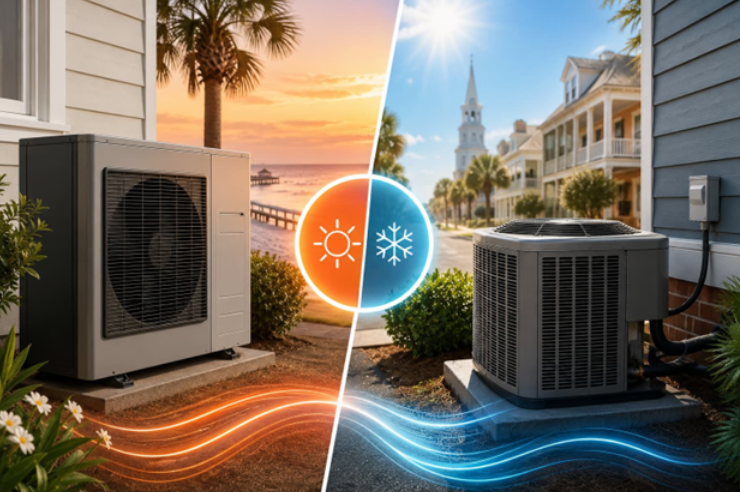
Charleston's climate creates unique challenges for homeowners trying to maximize air conditioner energy efficiency. Unlike many parts of the country that experience shorter cooling seasons, Charleston's combination of heat, humidity, and coastal conditions places heavy demands on air conditioning systems for much of the year.
One of the biggest factors affecting air conditioning performance in the Lowcountry is humidity. Before your air conditioner can effectively cool your home, it must first remove moisture from the indoor air. This process increases workload and energy consumption, especially during Charleston's hottest and most humid months. As a result, air conditioning systems often run longer cycles to maintain comfort and indoor humidity levels.
Charleston's extended cooling season can also affect system efficiency. In many parts of the country, air conditioners operate heavily for only a few months each year. In the Charleston area, cooling equipment may run regularly from early spring through late fall. The additional runtime creates more wear on components, making routine maintenance even more important for preserving system performance and preventing unexpected breakdowns.
For homes located near the coast, salt air presents another challenge. Salt carried by ocean breezes can accumulate on outdoor equipment and condenser coils. Over time, this buildup may contribute to corrosion and reduced heat-transfer efficiency. When the outdoor unit cannot release heat effectively, the entire air conditioning system must work harder to cool the home.
Charleston's humidity also leads to increased condensate production. As warm, moisture-laden air passes across the evaporator coil, large amounts of condensation are removed from the air and directed through the drain system. During peak summer conditions, an air conditioner may remove several gallons of water from indoor air every day. This additional moisture can increase the likelihood of clogged condensate drains, overflow issues, and water leaks if the system is not properly maintained.
Because of these local conditions, regular maintenance is especially important for Charleston homeowners. Annual tune-ups help keep coils clean, verify proper airflow, inspect condensate drains, replace dirty filters, and identify small issues before they affect comfort or efficiency. Routine maintenance can help improve system performance, reduce unnecessary energy usage, and support long-term reliability throughout Charleston's long cooling season.
Charleston Climate Factors That Impact AC Efficiency
| Climate Factor | Impact on Your Air Conditioning System | Recommended Action |
|---|---|---|
| High Humidity | Increases moisture removal requirements and system runtime | Schedule regular maintenance and change filters regularly |
| Long Cooling Season | Creates additional wear on cooling equipment | Annual inspections and tune-ups |
| Salt Air Exposure | May contribute to corrosion on outdoor components | Clean condenser coils and inspect equipment regularly |
| Heavy Summer Use | Increases energy consumption and system workload | Use programmable thermostats and maintain proper settings |
| Increased Condensate Production | Higher risk of clogged drain lines and water leaks | Inspect condensate drains during maintenance visits |
Understanding how Charleston's climate affects your cooling equipment can help you make informed decisions about maintenance, repairs, and system upgrades. An efficient air conditioning system is better equipped to handle the demands of the Lowcountry's heat and humidity while keeping energy costs under control.
Schedule Online(843) 380-2175