Best Electrician Company
2025 Best Of the Holy City



LimRic Blog
What Size Whole Home Generator Do I Need in Charleston?
Published: March 13, 2026
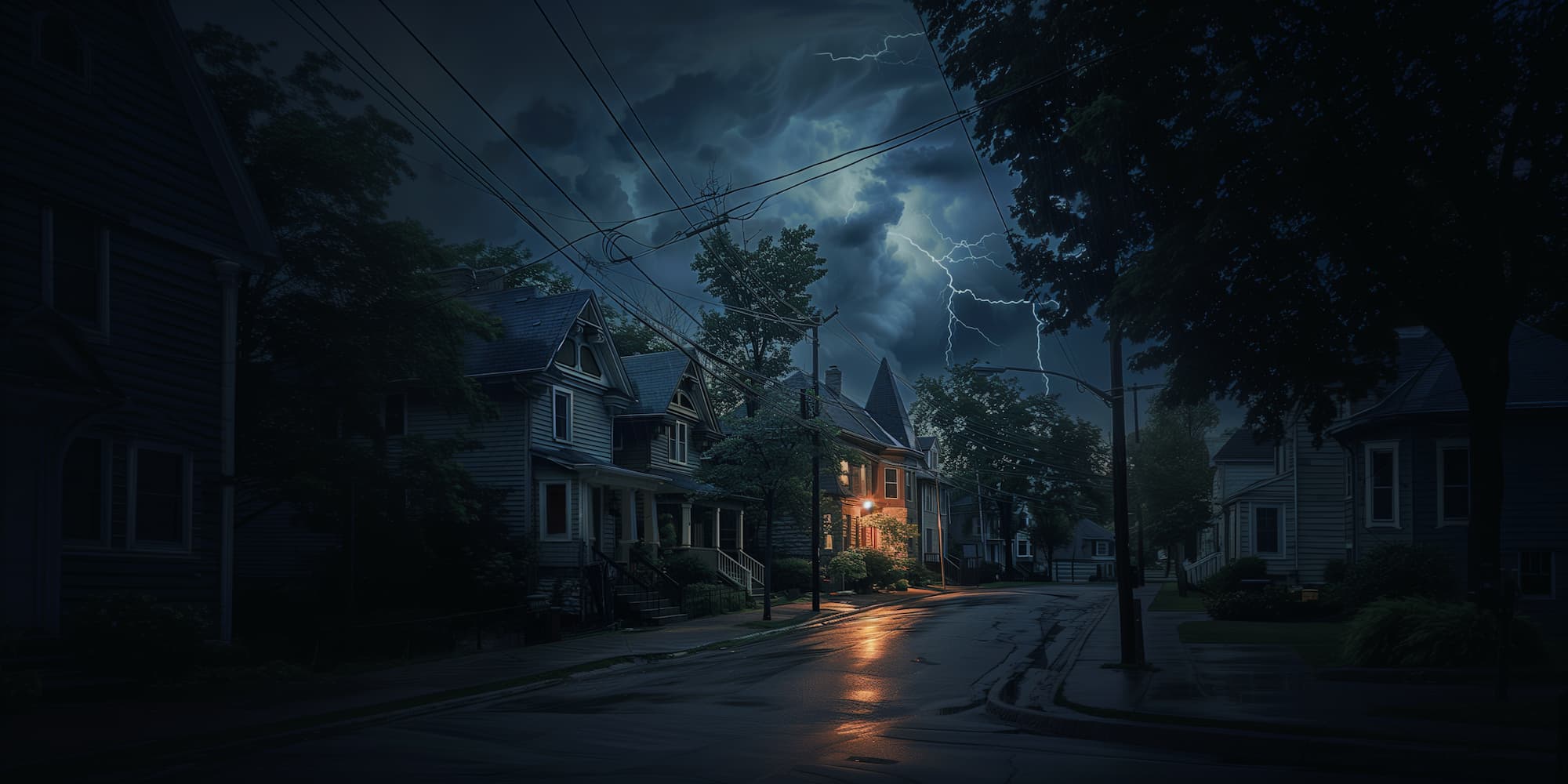
If you’re asking, what size whole home generator do I need, you’re not alone. Charleston homeowners often start researching after a major storm or a prolonged power outage. The answer depends on how much of your home you want powered and which appliances matter most during an emergency.
Choosing the right generator size is not about picking the biggest unit available. It is about matching your home’s electrical demand to a system that can handle it safely and consistently.
How Does Generator Sizing Work?
To understand what size whole home generator you need, it helps to look at how load is calculated.
Every appliance in your home draws a specific number of watts. Some items, like refrigerators and HVAC systems, require additional startup power. A proper calculation includes:
- Total running watts
- Startup surge requirements
- Whether you want whole-home coverage or essential circuits only
A licensed electrician reviews your panel, major appliances, and HVAC system before recommending a system size.
Typical Generator Sizes for Charleston Homes
While every property is different, here is a general breakdown:
- 10–14 kW: Powers essential circuits like refrigerator, lights, and limited outlets
- 16–20 kW: Supports most mid-size homes including HVAC
- 22–26 kW: Designed for larger homes with multiple air conditioning systems
- 30 kW and above: Full-home coverage for larger properties
Many Charleston homes fall into the 18–24 kW range, especially if central air conditioning and electric water heaters are included.
If you’re comparing generac generator sizes, keep in mind that model numbers correspond to output capacity in kilowatts.
Factors That Affect Generator Size
Several variables influence how to size a whole home generator correctly.
Square Footage
Larger homes typically require higher capacity, but square footage alone is not enough.
HVAC Systems
Air conditioning systems consume significant power. During hurricane season in Charleston, many homeowners want full cooling capability.
Electric Appliances
Electric ranges, dryers, and water heaters increase total load.
Lifestyle Needs
Some homeowners want only essential circuits. Others prefer seamless operation of the entire home.
Sizing is always about balance. Oversizing can increase installation cost. Undersizing may leave critical systems unsupported.
How Big of a Whole Home Generator Do I Need for Hurricane Season?
In Charleston, hurricanes and coastal storms can lead to extended outages. During peak summer heat, air conditioning often becomes a priority.
If your goal is to maintain comfort, refrigeration, and security systems during an outage, your generator must handle those loads simultaneously.
That is why professional assessment matters. A system that works in cooler months may struggle under heavy summer demand.
How Long Can a Whole House Generator Run Continuously?
Most standby generator systems connected to natural gas can operate continuously as long as fuel supply remains steady. Propane systems depend on tank size and consumption rate.
Regular maintenance keeps the system prepared. If a generator won’t start during an emergency, it often relates to missed service or battery issues.
If your generator fails unexpectedly, prompt home generator repair can restore readiness before the next storm.
Is Bigger Always Better?
Not necessarily.
A larger generator increases installation cost and may require additional fuel supply considerations. Proper load calculation ensures the system supports your needs without unnecessary expense.
If you are unsure how to choose the right generator, reviewing your electrical panel and demand profile is the best starting point.
Do You Need a Permit in Charleston?
Yes. Generator installations in Charleston require permits and inspections. Licensed whole home generator installers handle code compliance, electrical integration, and final approvals.
Improper installation can lead to inspection failures or safety risks.
Why Professional Sizing Matters
Proper generator sizing includes evaluating the electrical panel, transfer switch, and load management system so everything operates as a single system.
LimRic evaluates:
- Electrical demand
- HVAC requirements
- Fuel type and availability
- Local code compliance
This approach ensures your generator supports your home safely and consistently.
Schedule a Generator Assessment in Charleston
If you are still wondering what size whole home generator you need, the next step is a professional assessment. LimRic helps Charleston homeowners determine the right system for their property and storm preparedness goals.
Schedule Online or Call (843) 380-2175 to book your generator consultation today.
FAQ: What Size Whole Home Generator Do I Need?
What size generator is best for a 2,500 sq ft home?
The size of the generator you need for a 2,500 square foot home typically falls around 20 kW, but the exact generator size depends on your specific power needs. Factors include the number of appliances, whether you plan to run HVAC systems during an outage, and the total load your household requires. Understanding what size whole home generator you need starts with evaluating both running demand and startup requirements for major systems.
Can I use a portable generator instead of a whole-home unit?
Portable generators can supply limited power for essential appliances, but they are not designed to support an entire home or large systems like HVAC. A permanent home generator or standby generator automatically restores power during an outage, providing more consistent coverage and safer operation for Charleston homes.
How long can a Generac generator last before replacing?
With proper maintenance, most generators last 15 to 20 years or more, depending on usage, fuel type, and operating conditions. Regular inspections, oil changes, and load testing help extend the lifespan of a standby home generator and reduce unexpected failures during power outages.
Do I need a transfer switch for a whole-house generator?
Yes. An automatic transfer switch is essential for safely delivering power from a whole-house generator to your home. It protects your electrical system, prevents backfeeding into utility lines, and ensures seamless operation during an outage. Transfer switches are a required component of standby generators.
Does homeowners insurance cover generator installation?
Some insurance policies may offer partial coverage or incentives for installing a permanent home generator, especially if it protects critical systems during storms. Coverage varies by provider, so it is best to review your policy or speak directly with your insurer before installation. In addition, LimRic offers flexible financing options.
Join LimRic's Comfort Club
It's more than service... It's about COMFORT.
Breakdowns are inevitable. Get protection today!
Learn More

At LimRic, Our People Make the Difference.
Join Our Team, And Discover why LimRic was voted one of the "Best Places to Work 2023"!