Best Electrician Company
2025 Best Of the Holy City






LimRic Blog
How to Install a Generator Transfer Switch for Reliable Backup Power
Published: February 12, 2026
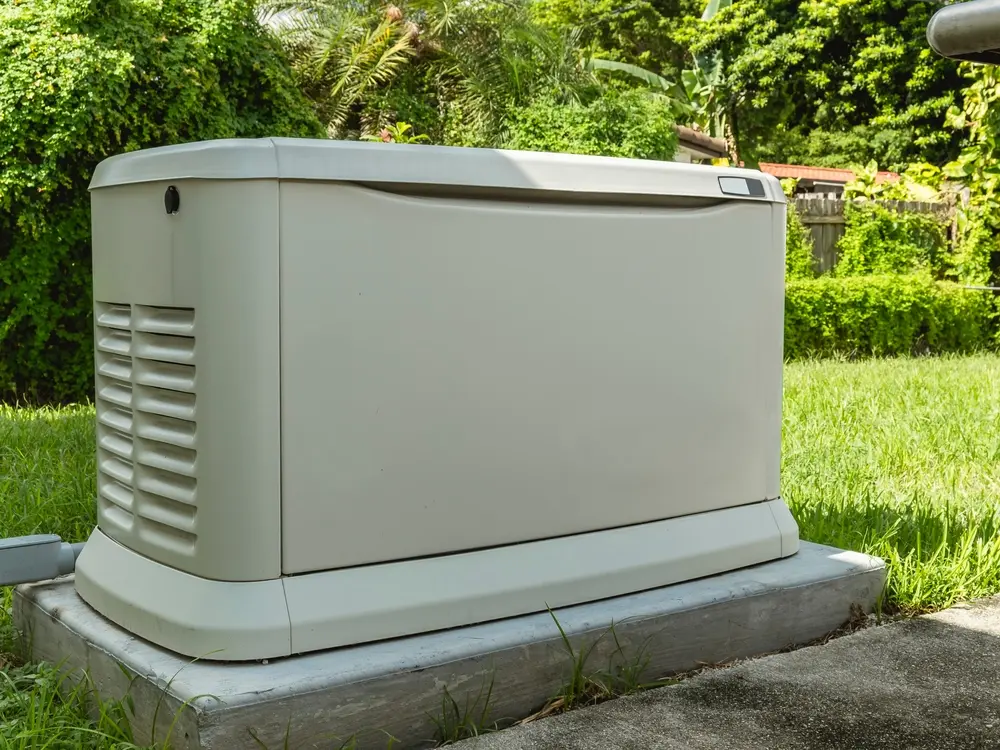
If you’re researching how to install a generator transfer switch, you’re likely preparing for a more dependable way to power your home during outages. A transfer switch is what allows a generator to connect to your electrical system safely, without risking damage to your home or the power grid. While the actual generator transfer switch installation should be handled by a licensed electrician, understanding the process helps homeowners make informed decisions and avoid unsafe shortcuts.
This article explains what a generator transfer switch does, the general steps involved in installation, and why professional installation matters.
What Is a Generator Transfer Switch and Why It’s Necessary
A generator transfer switch is a device that manages how power flows into your home. It ensures electricity comes from only one source at a time, either the utility or the generator. Without a transfer switch, generator power can backfeed into utility lines, creating serious safety risks.
Transfer switches also control which circuits receive power during an outage. That allows homeowners to prioritize essentials instead of overloading the system.
Types of Generator Transfer Switches
Before installing a transfer switch for a generator, the type of system matters.
Manual transfer switches require the homeowner to switch power sources during an outage. These are commonly paired with portable generators and selected circuits.
Automatic transfer switches are used with standby generators. They detect power loss and switch over automatically, then return to utility power when service is restored.
Both options require proper sizing and electrical compatibility with the home’s panel.
Tools and Preparation Involved
Installing a generator transfer switch involves working directly with the main electrical panel. Typical tools include insulated hand tools, conduit, connectors, mounting hardware, and voltage testing equipment. Safety gear is also required.
Just as important as tools is preparation. This includes verifying panel capacity, selecting circuits, and confirming generator compatibility. Skipping this step often leads to improper installation or future electrical issues.
Step-by-Step: How to Install a Generator Transfer Switch
This overview explains the general process, not a DIY guide.
Step 1: Choose the Location and Equipment
The transfer switch is mounted near the main electrical panel. Placement affects wiring length, accessibility, and code compliance.
Step 2: Shut Off Main Power
The main breaker must be turned off and verified before any work begins. Live panel work without proper precautions is dangerous.
Step 3: Mount the Transfer Switch and Connect Wiring
The switch is secured to the wall and wired to selected breakers in the panel. Each circuit is labeled so it’s clear what receives generator power.
Step 4: Connect the Generator Inlet and Test Operation
The system is tested by simulating an outage. The electrician confirms that power transfers correctly and circuits operate as intended.
This process typically takes several hours, depending on panel configuration and system type.
Can You Install a Generator Transfer Switch Yourself?
In most cases, no. Installing generator transfer switch equipment requires compliance with the National Electrical Code and local regulations. Mistakes can lead to fire hazards, electric shock, failed inspections, or insurance issues.
A licensed electrician ensures the switch is installed correctly, permitted, and tested before use.
Why Professional Installation Matters
Hiring a professional to install a transfer switch for a generator helps ensure:
- Safe, code-compliant wiring
- Proper circuit selection and load management
- Correct generator integration
- Successful inspections and long-term reliability
Professional whole home generator installation also avoids common mistakes like undersized wiring, poor labeling, or improper grounding.
Estimated Cost Considerations
Installation cost varies based on whether the system is manual or automatic, panel accessibility, number of circuits, and whether electrical upgrades are required. An on-site evaluation is the only way to provide an accurate estimate.
Maintenance Tips After Installing Your Backup Power Equipment
After completing a generator transfer switch installation, ongoing generator maintenance is essential to keep your generator and transfer switch operating safely and reliably. Whether you’re using a portable generator or a permanent standby system, regular testing helps ensure proper transfer of power during an outage.
Once installed, transfer switches should be tested periodically, often during scheduled generator exercise cycles. This confirms the generator transfer switch is communicating correctly with the electrical panel, main electrical service, and connected circuits throughout the home. Testing also verifies that the switch can handle system capacity and electrical load without interruption.
Recommended maintenance steps include:
- Running the generator under load to confirm proper power delivery to selected circuits and appliances
- Inspecting the transfer switch, switch box, and panel for signs of wear or loose electrical connections
- Verifying clean and stable transfer between utility power and generator power
- Checking alignment between the main panel, service panel, and any manual transfer or automatic switch devices
- Reviewing installation settings to ensure continued safety and code compliance
If the switch behaves inconsistently, fails to transfer power, or shows warning indicators, professional service is required. Issues involving the electrical panel, main service equipment, or generator transfer switch should never be treated as a DIY project, as improper handling can compromise safety, system warranty, and household power reliability.
When to Call LimRic
If you’re planning backup power for your home and want a safe, permanent setup, professional generator installation is the right path. LimRic installs generator transfer switches in Charleston with attention to safety, code requirements, and long-term performance.
Schedule online or call (843) 380-2175 to discuss installing a generator transfer switch and get clear guidance on your options.
FAQs: Generator Transfer Switch Installation
Do I need a permit in Charleston?
Yes. Electrical permits and inspections are typically required.
How long does installation take?
Most installations take three to six hours, depending on complexity.
Can any generator be used?
Only compatible generators with appropriate capacity and outlets should be connected.
Is backfeeding legal?
No. Backfeeding without a transfer switch is unsafe and not permitted.
How often should transfer switches be tested?
At least twice a year, or during scheduled generator testing.
Join LimRic's Comfort Club
It's more than service... It's about COMFORT.
Breakdowns are inevitable. Get protection today!
Learn More

At LimRic, Our People Make the Difference.
Join Our Team, And Discover why LimRic was voted one of the "Best Places to Work 2023"!