




Blog
Generac Generator Installation Guide: From Planning to Powering Up
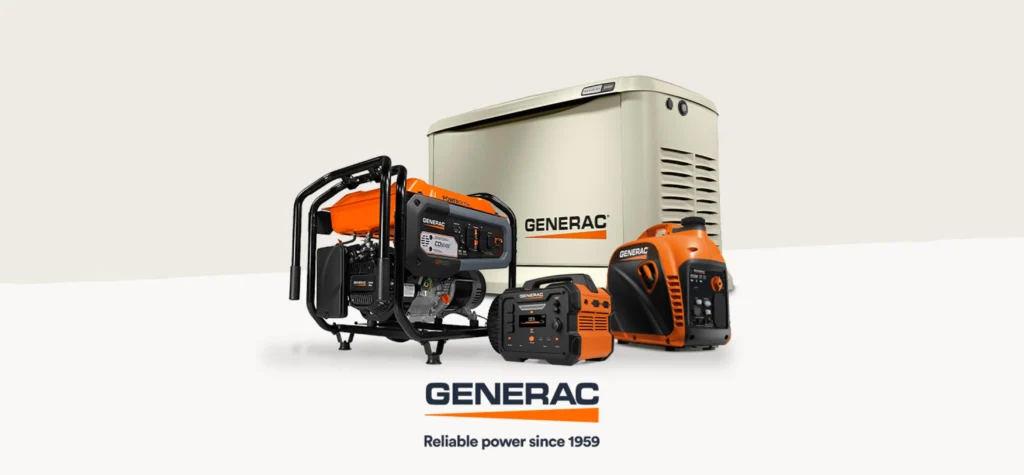
This Generac generator installation guide is meant to give homeowners a clear picture of what’s involved before a standby generator ever shows up at the house. For Charleston homeowners thinking about backup power, knowing how the process works ahead of time helps avoid surprises and makes it easier to plan for the install.
Installing a Generac system takes some coordination. The generator has to be sized correctly for the home, the installation location needs to make sense, and fuel and electrical connections have to be set up the right way. Once everything is in place, the system is tested to make sure it starts, runs, and shuts down as expected. That preparation is what allows the generator to work properly when the power actually goes out.
Why Choose a Whole House Generac Generator in Charleston?
A whole house Generac generator is designed to provide automatic backup power when utility service is interrupted by tropical storms. Unlike portable units, standby systems turn on without manual setup and can power multiple circuits or the entire home, depending on how the system is configured.
Charleston homeowners often choose whole-house generator systems because they integrate directly with the electrical panel and operate automatically. This allows essential systems like heating, cooling, refrigeration, lighting, and security equipment to continue running without interruption.
How Does a Generac Generator Work?
Understanding how does a Generac generator work starts with the automatic transfer switch. When utility power is lost, the switch signals the generator to start. Once the generator reaches proper output, power is transferred from the utility to the generator.
When utility service returns, the system reverses the process. Power shifts back to the grid and the generator shuts down. All of this happens automatically, without homeowner input.
The system continuously monitors voltage and frequency to ensure safe operation.
How are Generators Powered?
Generac standby generators usually run on either natural gas or propane. Which fuel makes sense depends on what’s already available at the property and the size of the generator system being installed. Some homes are set up for natural gas from the start, while others rely on propane tanks.
Most residential Generac systems are air-cooled, which works well for typical home backup needs. Larger homes or properties with higher power demands may use liquid-cooled units instead. In either case, the fuel supply has to be set up correctly and able to keep up when the generator is running for longer periods.
Knowing what fuel the generator uses makes it easier to understand how long it can operate during an outage and what kind of support it needs to keep running when power is out.
Planning for Generac Generator Installation: Steps & Site Prep
Proper site preparation is a critical first step before installing generators at a residential property. An experienced team evaluates the installation area to ensure proper clearances from windows, vents, and adjacent structures, helping the standby generator operate safely and efficiently. Placement also affects noise control, airflow, and long-term maintenance access.
Thoughtful site prep helps protect warranties, simplifies future services, and provides ongoing support well beyond installation. Taking this step upfront leads to more reliable performance in 2025 and years ahead, giving homeowners more confidence in their backup power product.
Before installation begins, several factors are evaluated:
- Electrical load requirements
- Fuel source availability
- Panel access and capacity
- Location for ventilation and service clearance
Local permitting and code requirements must also be addressed before work starts. Placement decisions affect noise levels, airflow, and long-term reliability.
Choosing the Right Size Generator
Sizing is critical. A generator that is too small will struggle under load, while an oversized system may short-cycle and operate inefficiently.
Generator sizing accounts for:
- Heating and cooling equipment
- Refrigerators and freezers
- Lighting and receptacles
- Appliances and specialty loads
Load calculations ensure the generator can support the home without overload or instability.
How Long Does a Generac Generator Last?
With proper generator installation and care, a Generac generator can last 20 to 30 years. Lifespan depends on operating conditions, fuel quality, environment, and how often the system runs.
Regular inspections and service play a large role in extending system life. Units that are exercised and maintained consistently tend to perform more reliably over time.
How Long Can a Generac Generator Run?
Runtime depends on the fuel supply. Natural gas systems can run continuously as long as the utility supply remains available. Propane systems are limited by tank size and fuel consumption rates.
During extended outages, load management helps reduce fuel usage by prioritizing essential circuits. Understanding how long a Generac generator can run helps homeowners plan for longer power interruptions. In addition, a generator can increase your home’s resale value by giving buyers added confidence that the property will remain safe and functional during power outages.
Installation Process: From Start to Finish
A professional installation typically follows these steps:
- Site preparation and equipment placement
- Fuel line connection and testing
- Integration with the electrical panel and transfer switch
- System startup and simulated outage testing
- Final inspection and homeowner walkthrough
The system is tested under load to confirm correct operation before being placed into service.
After Installation: Maintenance and Care
Every Generac system includes recommended service intervals. Following the Generac generator maintenance manual helps keep the system operating correctly.
Routine care includes oil changes, filter replacement, battery testing, and system diagnostics. Skipping generator maintenance increases the risk of startup failures and system errors. If you need expert Generac generator repair, LimRic Plumbing, Electrical, Heating & Air is here to help.
Schedule a Generator Installation Consultation
This Generac generator installation guide is meant to help homeowners understand the process before moving forward. Professional installation ensures that the system is sized correctly, installed safely, and tested thoroughly. If your generator fails in a storm, LimRic Plumbing, Electrical, Heating & Air is ready to help!
Schedule online or call (843) 380-2175 to discuss installing a Generac generator or a generator transfer switch installation and get clear answers about your home’s backup power options. Our financing offers make installation affordable for families in Charleston.
Schedule Online(843) 380-2175