




Blog
How an HVAC Dehumidifier Works To Improve Air Quality
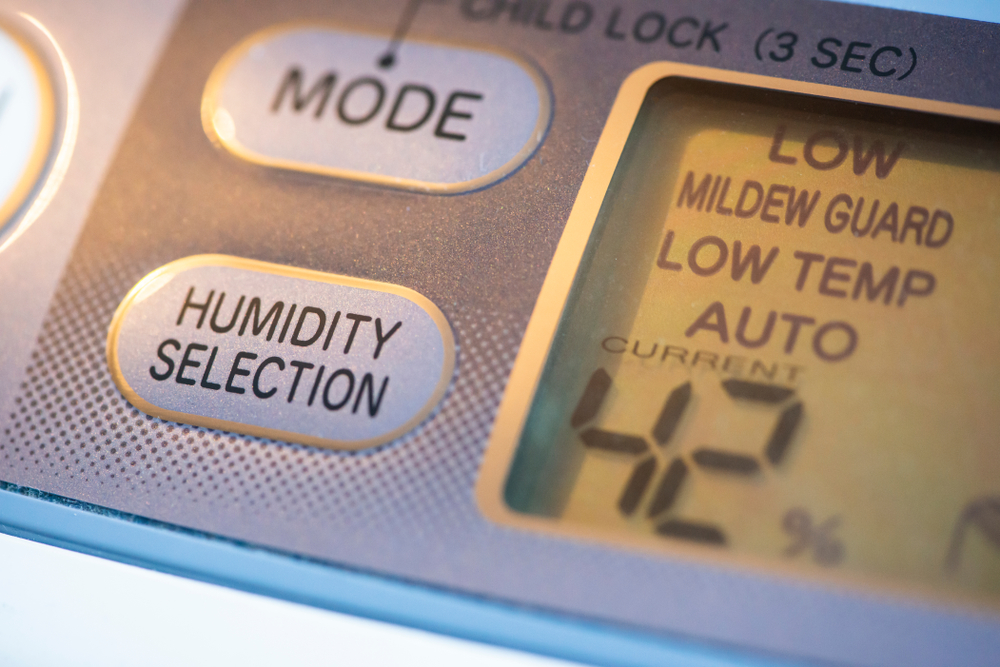
Too much moisture in the air can make your home feel sticky, musty, and uncomfortable—even when the temperature is just right. That’s where an HVAC dehumidifier steps in.
Whether you're trying to reduce indoor allergens, prevent mold, or make your home more energy-efficient, installing a whole house dehumidifier can be a game-changer.
In this guide, we’ll walk you through how these systems work, the pros and cons, and whether this upgrade makes sense for your Lowcountry home.
What is a Whole-House Dehumidifier?
A whole house dehumidifier is a system that removes excess moisture from the air throughout your home by integrating directly with your existing HVAC system.
Unlike portable dehumidifiers that only work in single rooms, these units are hardwired into your ductwork, allowing them to regulate humidity across the entire house. For additional strategies and practical tips to lower humidity in house environments, homeowners can explore several simple improvements that help balance indoor moisture levels.
This type of system is especially useful in humid regions like South Carolina, where excess indoor moisture can lead to problems like mold, mildew, and musty odors. Not only does it improve indoor air quality, but it also helps your HVAC system run more efficiently.
How it Works
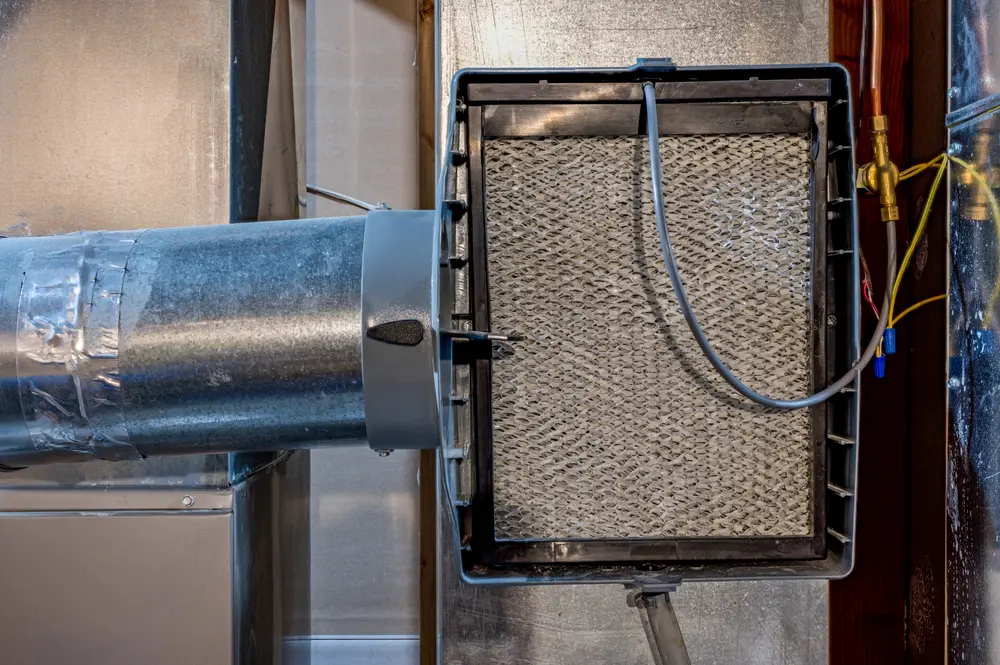
Whole house dehumidifiers operate by drawing in humid air through your return ductwork, passing it over a refrigerated coil, and condensing the moisture out of the air. The collected water drains into a nearby line or pump, while the dry air is sent back into your duct system.
This process is designed to:
- Maintain relative humidity between 30–50%
- Reduce the load on your air conditioning system
- Prevent moisture buildup around your AC evaporator coil
Unlike AC units that only remove humidity during cooling cycles, whole house dehumidifiers can work independently—giving you better control over air quality year-round.
Installation Options
There are two primary installation methods when adding a dehumidifier to your HVAC system:
Between the Air Return and Air Handler
This is the most common setup. The dehumidifier is installed directly into your return duct, before air reaches your air handler. This setup is cost-effective, and it allows the unit to remove moisture from all circulating indoor air.
- Ideal for homes with consistent airflow patterns
- Works best when paired with air conditioning installation & replacement services
Dedicated Return Duct
A more advanced option involves installing a separate return duct exclusively for the dehumidifier. This setup provides more control and can run independently of your HVAC fan.
- Allows for dehumidification even when your HVAC isn’t running
- More efficient for homes with variable humidity across rooms
- Often used in new construction or during major system upgrades
Both methods require careful planning to maintain proper static pressure and airflow balance in your HVAC system. At LimRic, our trained and licensed technicians are equipped to deliver expert whole house dehumidifier installation, no matter your needs.
Should You Install a Whole-House Dehumidifier?
If you’re wondering whether it’s worth adding a dehumidifier to your HVAC system, the answer often depends on your home’s location, comfort issues, and energy usage.
In South Carolina’s hot, humid climate—especially around Charleston and the Lowcountry—it’s common for homeowners to experience damp indoor air that makes it hard for HVAC systems to keep up.
Let’s break down the advantages and disadvantages of whole house dehumidifiers to help you decide if this investment is right for your home.
Pros
- Helps Maintain Consistent Humidity Levels
A whole house dehumidifier keeps your indoor air between 30–50% relative humidity, which is the optimal range for comfort and health. It prevents your air from feeling sticky in the summer and overly dry when the system overcorrects.
- Improves Indoor Air Quality and Allergy Relief
High humidity is a breeding ground for dust mites, mold spores, and other allergens. By reducing moisture levels, a dehumidifier supports better indoor air quality and helps those with asthma or seasonal allergies breathe easier. You can further enhance these benefits with air purification add-ons.
- Helps Prevent Mold and Mildew Growth
Moisture is the #1 contributor to mold problems in crawl spaces, basements, and walls. A dehumidifier starves mold of its fuel source—humidity—keeping your home drier and healthier.
- Extends the Life of Your HVAC System
When your HVAC system isn’t overworked trying to remove humidity, it operates more efficiently. That means less wear and tear on components, fewer breakdowns, and a longer lifespan for your air handler and compressor.
Cons
- High Upfront Cost for System and Installation
Compared to a portable dehumidifier, whole house models come with a larger price tag. Installation requires ductwork adjustments, electrical wiring, and drainage planning.
- Requires Professional Installation for Best Results
Improper installation can lead to airflow problems, static pressure issues, and poor drainage. For optimal performance, it’s essential to have your system installed by a licensed HVAC professional.
- Fixed Installation Limits Flexibility
Once an HVAC dehumidifier is installed, the system can’t easily be moved. It’s great for long-term use but not suitable for renters or homeowners who plan to move soon.
Whole-House Dehumidifier: Pros and Cons Summary
| Pros | Cons |
|---|---|
| Maintains healthy humidity levels year-round | Higher initial cost |
| Reduces allergens and respiratory issues | Must be professionally installed |
| Helps prevent mold and mildew | Not portable or easily removable |
| Lowers strain on your HVAC system | May require system upgrades for compatibility |
So, Should You Add a Dehumidifier to Your HVAC System?
If your home often feels muggy, smells musty, or struggles with condensation or mold, a whole house dehumidifier may be exactly what you need. These systems don’t just tackle comfort issues—they protect your air quality, your HVAC investment, and your family’s health.
Adding a dehumidifier is a smart choice for many South Carolina homes, especially when installed alongside a new air conditioning system or as part of a broader indoor air quality upgrade.
Enhance Comfort and Efficiency with an HVAC Dehumidifier Add-on
A whole house dehumidifier installation isn’t just about adding comfort—it’s about smarter climate control. When your air is less humid, your AC doesn’t have to work as hard to cool the space. That means faster cooling cycles, reduced energy bills, and better temperature consistency from room to room.
In places like Charleston and throughout the Lowcountry, where humidity is a year-round concern, integrating a whole house dehumidifier helps homes stay cooler, cleaner, and more efficient.
Whether you're dealing with musty smells, sticky air, or indoor condensation, this upgrade offers a long-term solution—not just a temporary fix.
Contact LimRic to Improve Your Indoor Comfort
At LimRic, we install premium dehumidifiers for HVAC systems that are ENERGY STAR® tested for capacity and performance. That means you can count on their efficiency when installed properly.
From improving airflow to protecting your belongings from moisture damage, the benefits of a dehumidifier add up quickly. Don’t wait for better indoor comfort—contact LimRic today.
Schedule Online(843) 380-2175