




Blog
Why Does My Shower Drain Smell? Common Causes and Troubleshooting Tips
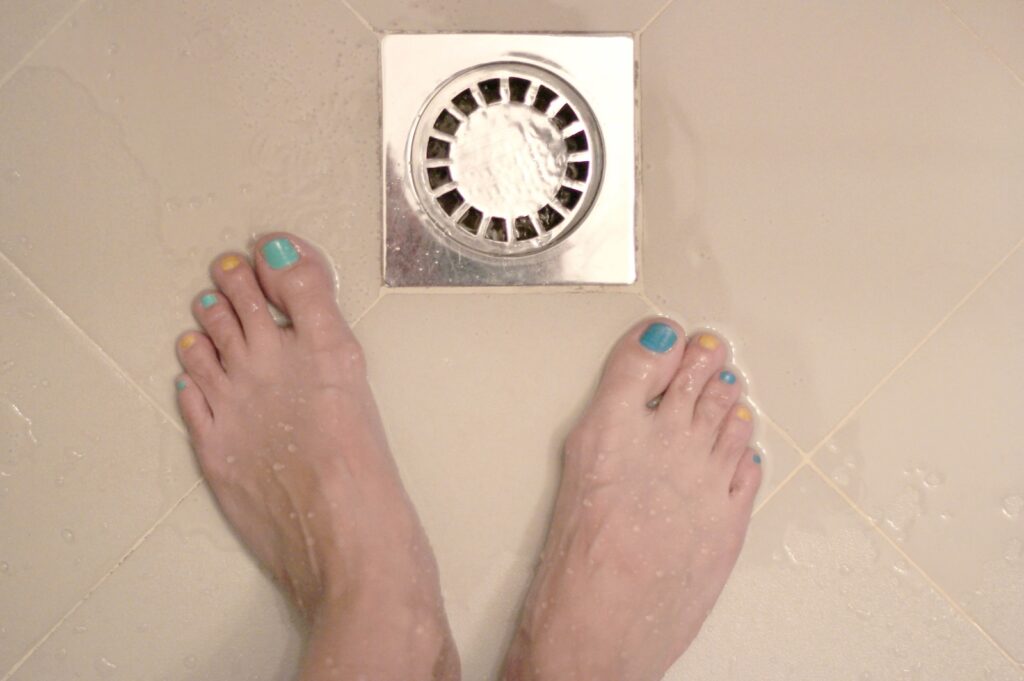
If your shower smells more like a sewer than a spa, you’re not alone. When you are suffering from a smelly shower drain, it can make your entire bathroom feel less clean and comfortable. The good news? Most causes of shower drain smells are common, preventable, and fixable — and you don’t always need a plumber right away.
In some cases, shower drain smells are caused by deeper blockages tied to multiple plumbing fixtures backing up, but in other cases they can be solved with simple measures. In this guide, we’ll walk you through the top reasons your shower might smell, how to troubleshoot, and when it’s time to call in the pros.
Common Causes of Shower Drain Smells and Drain Odors
Identifying the cause of your stinky drain is the first step to fixing it for good. Shower drain odors are usually caused by four main culprits:
Clogged Drain
Hair, soap scum, and debris are the usual suspects when it comes to clogged drains. As the clog builds up, it traps water and organic matter: the perfect environment for bacteria to thrive and produce foul odors. If odors are accompanied by slow drains or gurgling, the issue may rise to a plumbing emergency.
If your drain is slow and you notice a musty, sour smell in the air, chances are a clog is the cause. You can try plunging or using a drain snake, but persistent clogs might need professional drain cleaning to clear them out fully.
Dry or Dirty P-Trap
The P-trap, the U-shaped pipe under your shower, is designed to hold water and block sewer gases from wafting back into your home. But when it dries out — often in rarely used showers — those odors sneak through to your nose’s displeasure. This is an even more common cause of a rotten egg smell in bathroom sinks.
Even in active bathrooms, buildup inside the trap can cause it to stink. Running water for a few seconds weekly can help, and if the smell continues, it may be time for a professional inspection. Professional solutions like those explained in how does hydro jetting work are often used to clear odor-causing buildup inside pipes.
Biofilm Buildup
Have you noticed a slimy film along your drain cover? That’s biofilm, which is a mixture of bacteria, body oils, and soap residue. It clings to pipes and slowly decays, producing that signature "wet dog" or mildew smell.
Scrubbing the drain cover and upper pipe with a toothbrush and disinfectant can make a big difference. For more serious buildup, consider a safe enzymatic cleaner or a professional drain cleaning service.
Leaky Pipes
A hidden pipe leak behind your walls or under the floor can allow sewer gases to escape into your home. This can create a constant sewage odor, especially noticeable after running the shower.
Leaky pipes often come with water stains or soft spots on the ceiling or floor. If you notice any of these along with the smell, schedule a sewer line camera inspection to locate the issue and resolve it.
How to Get Rid of Smelly Shower Drains and Drain Odors
Once you’ve figured out what’s causing the odor, it’s time to take action. Here are some easy-to-follow steps to clear up that smell and keep your shower fresh.
1. Identify the Smell
Different smells can point to different issues:
- Musty smell: Often from mold or biofilm buildup in your drain or shower walls.
- Sewer or rotten egg smell: Typically caused by a dry P-trap, sewer gases, or a deeper plumbing issue.
Pinpointing the scent helps you decide whether it’s a quick DIY fix or something that needs a professional inspection.
2. Clear the Drain
Start simple: flush the drain with hot water. This can dislodge minor clogs and rinse away grime. If the water backs up or drains slowly, a plunger or drain snake may be needed.
An easy way to do this is by slowly pouring a boiling kettle of water directly into the drain. Once fully poured out, wait 10 to 15 minutes, then top it off with a rinse of cold water.
If the clog persists, it’s best to leave it to the expert clogged drain services at LimRic to safely and thoroughly clear your system out.
3. Use a Safe Drain Cleaner
It might be tempting to grab a drain cleaning solution as the fix, but skip the harsh stuff. These chemicals can damage your pipes over time, especially if you have older or PVC plumbing.
Instead, try a natural or enzyme-based cleaner designed for bathroom use. These will break down the grime without breaking down the pipe itself.
If you want to try a DIY cleaner, use this recipe:
- ½ cup baking soda
- 1 cup vinegar
- Let it sit for 15–30 minutes
- Rinse with hot water
4. Remove Hair and Soap Scum Clogs
Hair and soap scum are the most common physical blockages. Use a plastic drain claw or hair snare to remove debris from the top of the drain. Additionally, you can install a hair catcher over your drain, as they do a great job of blocking out disruptive debris while coming at a low cost.
If you are not sure where to start, check out LimRic’s guide on how to get hair out of your shower drain.
5. Inspect Your P-Trap
If your shower hasn’t been used in a while, the p-trap will dry out, allowing sewer gases to seep through the drain. To avoid this, try simply running water for a few minutes. A dry P-trap will refill and once again prevent sewer gases from entering the home.
Still smelly? You might be dealing with a dirty or cracked P-trap. At that point, a plumber can check for damage or buildup that’s not visible above the surface.
6. Schedule Professional Drain Cleaning
If you’ve tried DIY fixes but the awful smells keep coming back, it’s time to bring in the pros. Professional drain cleaning reaches deep into your plumbing system and clears away stubborn buildup, biofilm, and gunk that you can’t get with DIY methods or over-the-counter tools.
LimRic’s drain cleaning services use safe, powerful tools to clear your system and leave your bathroom smelling fresh again.
7. Schedule a Plumbing Inspection
If you notice foul smells in more than one bathroom or when it rains, it might be a larger issue with your sewer lines or vents. A plumbing inspection can uncover hidden problems like cracked pipes, improper slope, or a full sewer backup.
LimRic’s plumbing inspections include video camera technology to see exactly what’s going on — and help you fix it fast.
How to Prevent Shower Drain Smells
Want to avoid dealing with a smelly shower drain again? These simple habits can go a long way in keeping your bathroom fresh year-round.
- Buy a hair catcher
This inexpensive tool stops hair and debris before it enters your plumbing. Just remember to clean out the catcher every week to prevent buildup. - Regularly clean the drain cover
A toothbrush and baking soda paste can help scrub away biofilm and grime that trap odors on the surface. - Flush non-PVC pipes with hot water
Pour boiling water down your drain once a month to break up grease and soap scum. If you have PVC pipes, use warm water to avoid damaging the pipework. - Run water into the underused showers
A dry P-trap is a common source of odors. You can keep your p-trap filled by letting the water run for a few minutes every couple of weeks. - Schedule annual drain cleaning maintenance
Annual drain cleaning clears out buildup before it becomes a problem. It’s an easy way to keep your plumbing in peak condition. - Schedule annual plumbing inspections
Prevent bigger issues by having your plumbing system checked every year. A sewer line camera inspection can spot hidden leaks or pipe corrosion before odors start.
LimRic is Here for All of Your Plumbing Needs
If your shower drain reeks like sewage or rotten eggs and home remedies just aren’t cutting it, LimRic has got your back. Our expert Charleston plumbers have been tackling tough plumbing problems for over 50 years, from routine drain cleaning to full shower repairs and sewer line camera inspections.
We believe in fast, friendly service backed by experience you can trust. Whether you’re dealing with mysterious odors or a full-blown sewer backup, we’ll locate the problem and restore your bathroom to its original, fresh-smelling state.
Keep your shower drain smelling great by calling LimRic today or scheduling your appointment online.
Schedule Online(843) 380-2175Frequently Asked Questions
That rotten egg odor is a common cause for concern in Charleston bathrooms, and it usually means sewer gas is escaping through a dry trap or a leaking pipe. Lowcountry homes that sit unused — like vacation rentals on Folly Beach or rarely used guest bathrooms — often develop this issue when the P-trap water evaporates. Run water for a few minutes to refill the trap. If the drain odor lingers, it could point to a cracked vent or broken line, and a Charleston plumbing inspection from LimRic can pinpoint the source quickly.
Aim to clean your shower drain at least once a month, especially in Charleston's humid coastal climate where mold and biofilm buildup form quickly. Remove hair and soap scum from the cover, scrub it with a baking soda paste, and flush the pipes with hot water to break down the slimy layer that traps drain odors. Annual professional drain cleaning is also recommended for South Carolina homes, since older Lowcountry plumbing is especially prone to grime accumulation that DIY methods can't fully reach.
Bleach can temporarily kill odor-causing bacteria, but it rarely solves the root issue behind an unpleasant shower drain odor. It won't break down clogs, biofilm, or the slimy layer coating your pipes — and it can damage older PVC plumbing common in many Charleston-area homes. Enzyme-based cleaners are a safer choice for tackling a smelly drain without harming your pipework. If bleach doesn't resolve the problem, contact LimRic's Lowcountry plumbing pros for a thorough professional drain cleaning that gets to the source.
Yes — a smelly drain can sometimes signal a serious plumbing issue. If the odor stems from sewer gas, it may indicate a broken pipe, blocked vent, or backed-up sewer line, all common causes of bathroom odors in older South Carolina homes. Long-term exposure to methane and hydrogen sulfide can be harmful to your family's health. If you also notice slow drainage or gurgling sounds alongside the smell, don't ignore it — schedule an inspection with LimRic's Charleston plumbing experts right away to keep your home safe.
Charleston's heavy coastal storms and king tide events can overload local sewer systems, pushing sewage gases up through your pipes and into your home. Lowcountry properties with aging infrastructure or compromised vents are especially vulnerable, and the high water table in areas like West Ashley, James Island, and Mount Pleasant only adds to the problem. If you smell sewage after every Charleston downpour, you likely have a blocked or cracked vent stack. Contact LimRic for a sewer backup repair or camera inspection to diagnose the issue.