Best Electrician Company
2025 Best Of the Holy City




LimRic Blog
How to Prep Your AC For Summer Hurricanes
Published: February 28, 2026
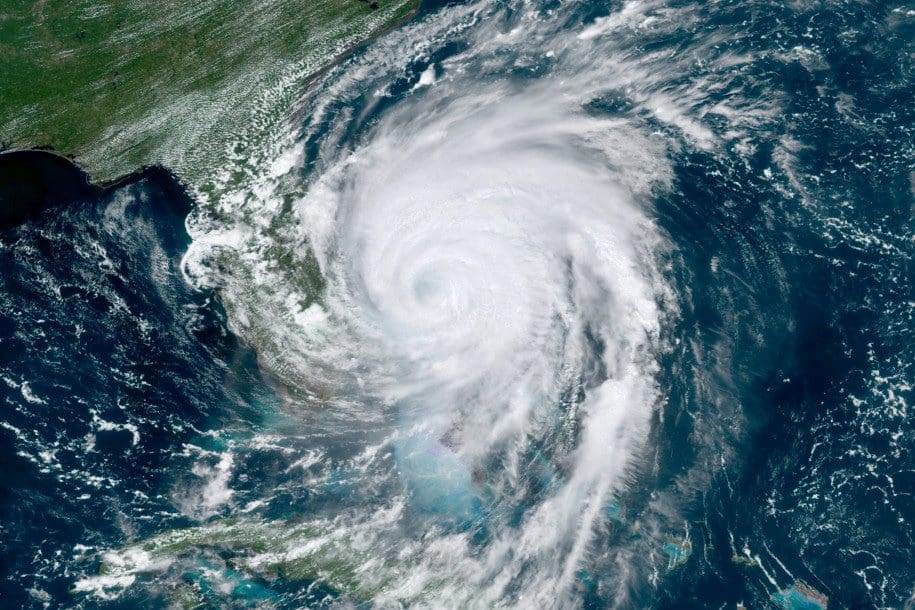
The Lowcountry is no stranger to hurricanes and tropical storms. We’re in the midst of hurricane season (June 1 – November 30) which can be a very stressful time for homeowners. When a hurricane or tropical storm strikes, your A/C unit can be among the most vulnerable parts of your house to be damaged which can leave you with costly repairs.
We understand that you are busy with other home and safety preparations. So as your trusted, local HVAC experts, we took out the guesswork and put together a few tips to help you prepare and protect your A/C unit.
The impacts of a hurricane can cause damage to your A/C:
WIND & LIGHTNING: Wind can blow loose objects and tree branches that can collide with your A/C unit, damaging the structure and piercing the coils. Dirt, leaves and small debris flying around can become caked on the condenser and dramatically impede air flow.
Power surges from lightning and downed power lines from wind can damage your air conditioner’s compressor and cause other internal components to fail. The same type of damage can even happen from blackouts and brownouts due to system overload during and after a storm.
FLOODING: Flooding can cause multiple (and costly) problems with your HVAC unit. Valves, wiring and controls can quickly become corroded, which can not only impede air flow but can become a major fire hazard.
How to Prepare Your HVAC System Before the Summer Hurricane Season:
- First and foremost, check your home insurance and flood insurance policies to see what HVAC system damages are covered.
- Remove any loose objects that could hit and damage your HVAC (Ex: outdoor furniture, potted plants, yard tools, etc.). Cut down loose tree limbs.
- Ensure the A/C unit’s bolts are secured and tight.
- Move your A/C to an elevated platform to protect it from flooding. Talk to your A/C provider about the best elevated platform solution for your unit.
- For additional stability, secure your outdoor A/C unit with hurricane straps.
- The day before the hurricane strikes, cool down your house by setting the thermostat slightly lower than your usual temperature. Your house will stay cooler longer in case of a power outage.
- Once the storm begins, turn off the electrical breaker switches that lead to your HVAC unit, and unplug and remove window A/C units. If a power outage or power surges occur, shutting your system down will reduce the risk of blowing out circuits and frying your compressor when the power comes back on.
- Shut off the gas supply to gas furnaces or gas package units.
- If you have a backup generator, ensure it is properly working and in a safe place so you can turn it on to keep your air conditioner running (or at the very least, to keep ceiling fans and appliances running) during a power outage. Be safe and DO NOT go outside during the storm to turn your generator on, wait for the storm to pass.
- To protect your A/C from heavy rain water and flying debris, cover your unit with a tarp or unit cover to protect it ONLY WHEN YOUR A/C IS OFF. Remove it immediately after the storm has passed.
 PRO-TIP: Only cover your air conditioner unit during hurricanes when completely off, and not during typical rain showers or thunderstorms. It rains a lot in the Lowcountry. But a tarp is not safe for regular use, as tarps trap moisture and cause your unit to rust or gather mold and mildew. But they are safe to use intermittently during hurricane season to protect your unit from flooding and debris damage.
If your HVAC unit is flooded or damaged, follow these steps:
- If not already turned off, turn off the electrical breaker switches that lead to your HVAC, and shut off the gas supply to gas furnaces or gas package units.
- Contact your HVAC provider to asses the damage! Many air conditioner issues related to flooding and hurricane damage are covered by your home insurance policy. Your expert HVAC provider will able to provide you with the proper damage assessment and paperwork needed for your insurance company, in order to get your A/C unit fixed or replaced and up-and-running!
Replace Air Filters Before Hurricane Season
One of the simplest but most important steps in hurricane preparation is to replace air filters in your HVAC system. Dirty or clogged air filters restrict air flow, strain your air conditioning unit, and reduce overall system performance right when you need reliable cooling the most. In Charleston’s humid climate, moisture combined with dust and debris can quickly cause filters to clog, impacting energy efficiency and indoor air quality.
Before a storm approaches, check your air filter and replace your air filters if they appear dirty or discolored. Replacing dusty filters helps your system run more efficiently, supports optimal performance, and reduces the risk of breakdowns during peak summer heat. Clean air filters also help protect internal components from debris that may circulate during power fluctuations. As part of routine HVAC maintenance and hurricane season prep, a fresh filter is a small investment that can make a big difference in protecting your air conditioning system.
As trusted, local HVAC experts in the Lowcountry, the LimRic Plumbing, Heating & Air team are ready to asses and fix any issues that may arise during hurricane season! If insurance claims become a hassle, LimRic Plumbing, Heating & Air can help with our up-front fixed pricing options to make your air conditioner is properly working, and at an affordable rate.
Learn more by visiting limric.com.
LimRic Plumbing, Heating & Air proudly services HVAC systems in homes and businesses in Charleston, Mount Pleasant, North Charleston, West Ashley, James Island, Johns Island, Summerville, Hanahan, and Goose Creek.
How long does an air conditioner unit last?
Most air conditioner units in Charleston, SC last about 10 to 15 years with consistent air conditioning maintenance and professional service. Coastal humidity, salt air, and hurricane season can shorten the lifespan of your air conditioning system, especially if the outdoor unit is exposed to debris and moisture. Routine hvac tune-ups, a regular inspection, and regularly cleaning coils and the drain line all help protect system performance and energy efficiency. Part of how to prep your ac for summer includes checking the air filter, replacing dusty filters, and making sure you replace your air filters on schedule. Proper cleaning and maintenance are crucial for optimal performance and long-term cooling reliability.
When to replace an air conditioner unit
You may need to replace your air conditioner unit if you notice frequent repair calls, rising energy bills, uneven cooling, or poor air flow. If your system is over 12 to 15 years old and repair costs approach half the price of new installation, air conditioner replacement is often the smarter investment. Upgrading your air conditioning unit before peak storm season helps ensure dependable cooling, stronger system performance, and peace of mind during hurricane preparation.
Need Help with your HVAC System Problem in the Charleston Area?
We offer these Residential HVAC Services:
Join LimRic's Comfort Club
It's more than service... It's about COMFORT.
Breakdowns are inevitable. Get protection today!
Learn More

At LimRic, Our People Make the Difference.
Join Our Team, And Discover why LimRic was voted one of the "Best Places to Work 2023"!