Best Electrician Company
2025 Best Of the Holy City




Local Heat Pump Services in Charleston & Lowcountry, SC
Heat Pump Repair, Installation, & Tune-Ups in Charleston, Summerville, Mt. Pleasant, and Beyond
LimRic provides comprehensive local heat pump services to Charleston residents, from seasonal tune-ups and debris removal to heat pump repair and new heat pump installation. With 30 fully-stocked service vehicles and a large team of highly-trained technicians, we have the tools and experience to handle your HVAC needs whenever you need them; we have locations throughout the Lowcountry and a standing commitment to providing same-day service for customers who are facing a heating emergency.
What is a Heat Pump and How Does it Work?
Your heat pump has the ability to both heat and cools your home, making it one of the most cost-effective and versatile HVAC systems available. Heat pumps work by gathering and transferring heat into or out of your home.
In winter, the system pulls cold air from outside, pumps it through a compartment of compressed refrigerant, and then circulates it through a system of coils. This process produces heat that can then be pushed throughout your home.
Expected Heat Pump Lifespan
The heat pump is a durable year-round home heating system with a lifespan ranging from 10-15 years, depending on your local climate, usage patterns, and how well you maintain the system. One way to ensure your heat pump lasts as long as possible is to repair problems as soon as they appear. If you notice that your furnace isn’t putting out as much heat as it used to, or you hear strange clanging, clicking, or grinding noises, it may be time to call in a professional to evaluate your heating system.
Read More: Why Is My Heat Pump Not Heating? Tips to Restore Comfort
Reasons Why You May Need a Heat Pump Repair
Over the lifespan of your heat pump, you may need heat pump repair services to fix one or more of the following issues:
- – Refrigerant leaks or line breaks
- – The icing of the outside coils or the unit in general
- – Electrical shorts
- – Broken reversing valve
It’s important to address issues with your heat pump as soon as possible to avoid damaging the mechanical components of your heating system.
Keeping Your Home Happy!
Our highly-trained and professional technicians are ready to help!
Heat Pump Tune-Ups & Annual Preventative Maintenance Service
Seasonal or yearly inspections of your heating system can catch electrical or mechanical problems that may have been building up over the previous months.
As a heat pump owner, you can help keep your system working smoothly by changing the air filter regularly, cleaning the coils and/or fans when needed, and removing any debris that has accumulated in or around the unit. You can also visually inspect your heat pump at least once a month to check that there are no leaks within the system.
The Importance of Regular Heat Pump Inspections & Maintenance
At least once per year, or preferably once each season, you should have your heat pump inspected by an HVAC professional. Our expert field technicians have the right tools and experience to inspect your heating system and allow you to update or upgrade your equipment.
During a regular heat pump inspection, you can expect us to complete the following maintenance tasks:
- – Check any existing vents or ductwork for blockages or buildup, and ensure that air is moving through the vents to each part of your home
- – Inspect/clean the condenser fan
- – Check the air filters and change them out if needed.
- – Make sure the belt and pulley system is aligned properly.
- – Lubricate internal moving parts
- – Flush condensate drain
- – Test wires and connections, tightening if necessary
- – Test the thermostat
- – Measure refrigerant levels and add if necessary
A seasonal tune-up of your heat pump takes just a few minutes and can save you hundreds or thousands of dollars in future repair work. It can also help you lower your monthly utility costs by keeping your heating system running efficiently.
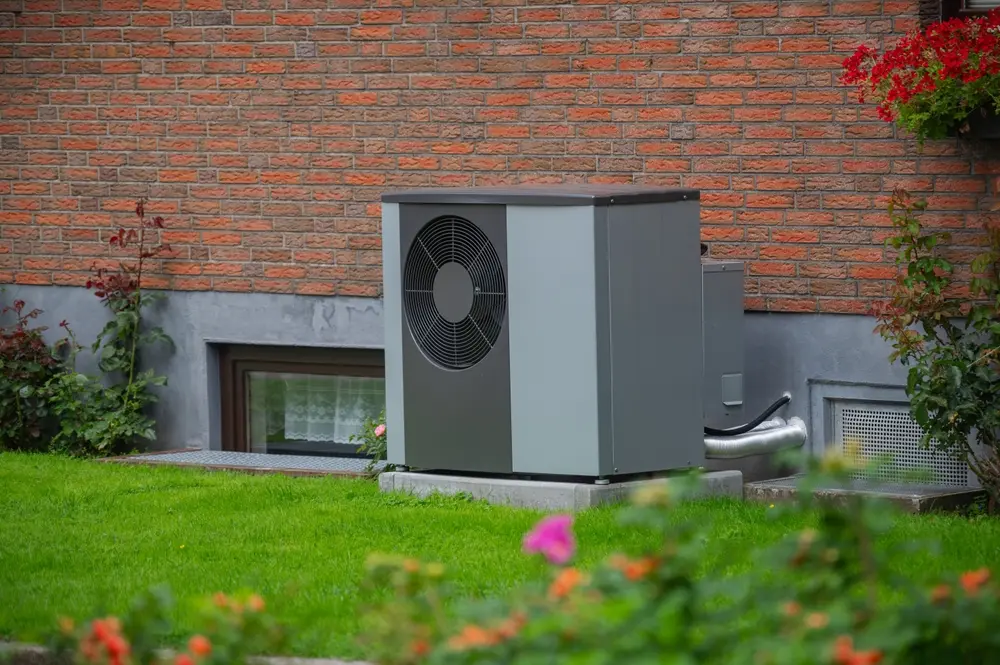
Heat Pump Replacement & Installation
No matter how well you treat your heat pump system, eventually, the time will come when you need to consider replacing it. When this happens, you can trust our professional HVAC technicians to get your new heating system up and running quickly.
Before any heat pump installation, we will discuss your household heating needs and energy usage goals. We may also run some calculations to determine your home’s BTU requirements and inspect your home’s ventilation system and existing ductwork to help you choose the suitable heat pump for your home.
Frequently Asked Questions Regarding Heat Pumps:
Need Help with your Heating System Problem in the Charleston Area?
We offer these Heating System Services:
Frequently Asked Questions Regarding Heat Pumps
How often should a heat pump be serviced?
A heat pump should be serviced at least once a year to maintain energy efficiency, extend its lifespan, and ensure reliable performance. Routine inspections by LimRic’s licensed HVAC professionals typically include checking refrigerant levels, cleaning coils, and testing thermostat accuracy using tools like a multimeter or HVAC gauges.
What is done during a heat pump service?
During a heat pump service, a technician inspects and cleans components such as the evaporator coil, condenser coil, and blower fan. Key tasks include checking the refrigerant level, testing the thermostat, tightening electrical connections, and confirming efficient operation using tools like multimeters and manifold gauges.
What is the downside to a heat pump?
The downside to a heat pump is reduced efficiency in extremely cold climates, where supplemental heating like electric resistance may be needed. Heat pump systems, including air-source units, often require professional heat pump services for proper installation and regular maintenance to support long-term performance and energy savings.
How is a heat pump installed?
There are usually two basic components to a heat pump. One part of the system is installed within the home, and the other is placed outside. The two components are connected by a refrigerant line that carries heat from the outside unit to the inside, where it is then distributed through the home’s ductwork by way of an internal fan.
Why are heat pumps considered so cost-effective?
Cost-effectiveness can vary by home and energy rates, but many homeowners find heat pumps more affordable than other heating options. Traditional heaters use electricity to generate heat, while heat pumps use electricity to move heat into your home through the ductwork, which can reduce overall energy use in many conditions.
Should I switch to Emergency Heat when it gets below 35 degrees outside?
The Emergency Heat setting should generally be used only when your heat pump is not working properly or the thermostat malfunctions. In many systems, when outdoor temperatures drop below around 35°F, the heat pump may automatically switch to a secondary heat source (if your system has one) without needing you to manually enable Emergency Heat.
How often should I change the air filter in my system?
Many HVAC technicians recommend changing your air filter every 3 to 4 months, but your schedule may vary. You may need to change filters more often if you smoke, have multiple pets, or live in a high-humidity area. Filter type also matters: pleated filters can last up to six months in some systems, while fiberglass filters often need replacement every 30 to 60 days.
Can I put a cover over my outdoor heat pump?
No, you should not cover your outdoor heat pump. The system needs open airflow to pull in surrounding air and operate correctly. Covering the outdoor unit can restrict airflow, trap moisture, and interfere with normal venting, which can reduce performance and lead to system issues.
Where can I find a heat pump service near me?
A simple Google search using a phrase like “heat pump maintenance near me” can show local providers. At LimRic Plumbing, Heating & Air, we offer comprehensive heat pump services to residents of Charleston, South Carolina, and surrounding counties. Fill out our online form or call us from anywhere in the Charleston area, and let us serve you today.