




Blog
Pros and Cons of a Heat Pump
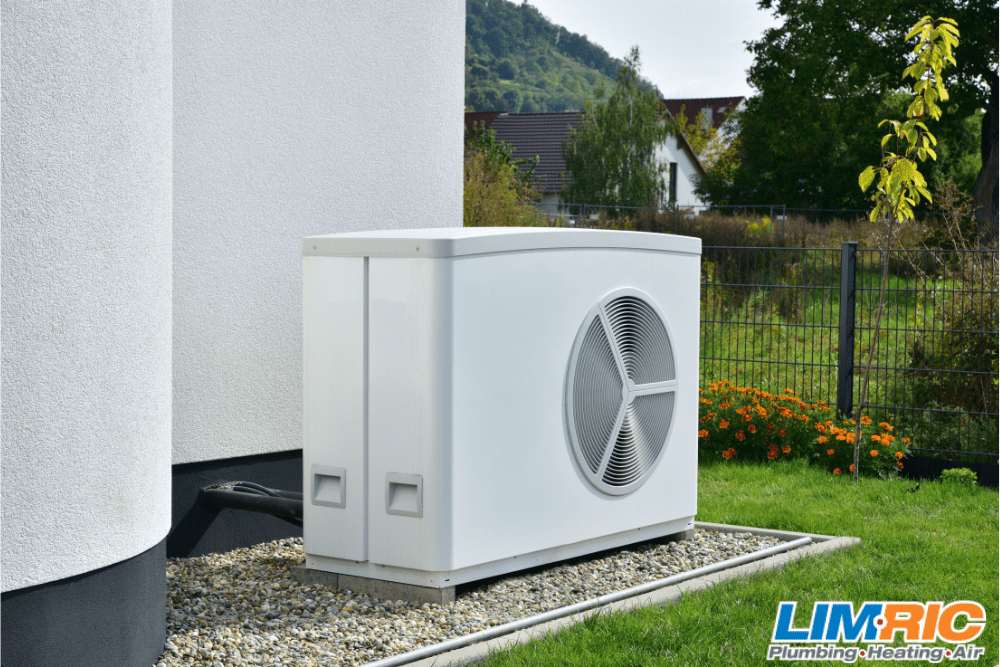
If your current heating or cooling system is on its last leg, you’ve most likely been scouring the web for a suitable replacement. While some of the most popular HVAC systems include furnaces and central air conditioners, you may be looking for a more versatile solution—such as a heat pump.
The excellent news is that heat pumps can heat and cool your home. However, before you decide on installing this type of system, there are some heat pump advantages and disadvantages that you should know.
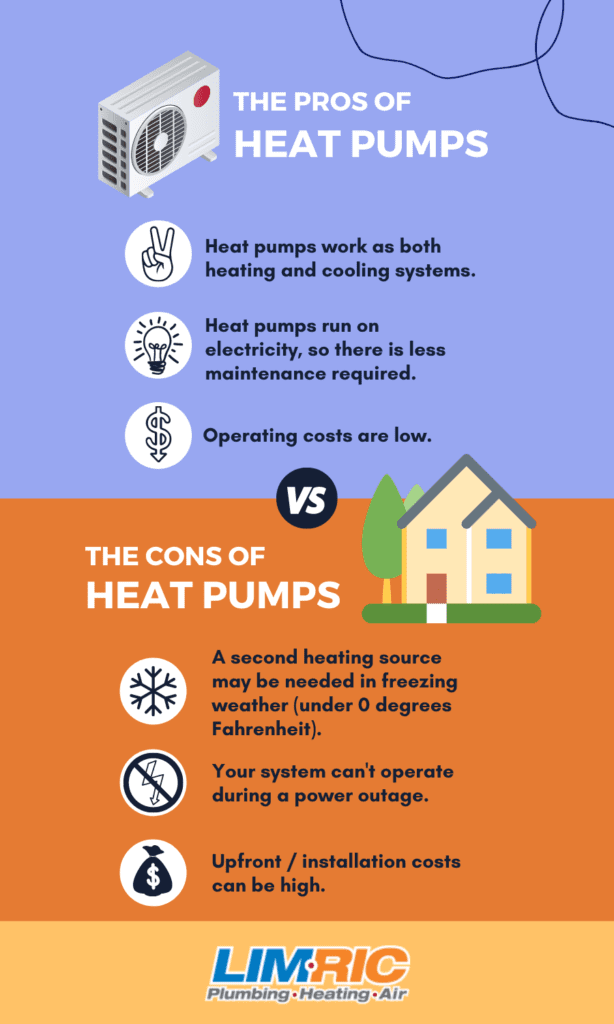
We’ve created a list of the pros and cons of a heat pump for your consideration:
Heat Punps Have Double Functionality
As mentioned, heat pumps can work as a cooling system in the summer and as a heater during the chillier winter months. Maintaining two separate heating and cooling systems can end up costing you a lot of money, and storing these units can be inconvenient. However, this double functionality can factor in heat pump advantages and disadvantages.
The Pros
When you have a heat pump installed to cool and heat your home, you can practically guarantee a comfortable home year-round without worrying about multiple system tune-ups. Plus, heat pumps typically last up to 15 years, so you don’t have to worry about the installation costs of both a heating system and an air conditioner when the time comes for a replacement.
The Cons
If you experience freezing weather, heat pumps may provide insufficient heat. You may need a secondary heating source once temperatures plummet past zero degrees Fahrenheit. Otherwise, your home might not be comfortable enough. Thankfully, those days are few and far between in North Charleston, John’s Island, or anywhere in between.
A Heat Pump Uses Electricity
The fact that heat pumps rely on electricity to function can factor into the pros and cons of a heat pump, depending on how you look at it.
The Pros
Heat pumps run on electricity, which means they don’t need fossil fuels to operate. Plus, since these systems run on electricity instead of natural gas like a gas furnace, less maintenance is needed, and they reduce carbon emissions.
Electric heat pumps (especially air source heat pumps) also produce little to no sound while operating, so you can continue to enjoy uninterrupted quiet.
The Cons
As you know, there are several heat pump advantages and disadvantages—and electricity can be one of them. Since your heat pump requires electricity, you can't use your system during power outages. If you tend to endure frequent power outages where you live, having a heat pump could be inconvenient during the colder and hotter months of the year.
Heat Pump Energy Efficiency and Operating Costs
If you're trying to cut expenses when investing in a new heating and cooling system, it's essential to know the costs of a heat pump. There are pros and cons of a heat pump's upfront and operational costs.
The Pros
One of the biggest advantages of a heat pump is its lower operating cost. Instead of generating heat like a traditional furnace, a heat pump transfers heat, which requires less energy. This allows homeowners to reduce monthly utility bills while maintaining consistent comfort throughout the year.
Heat pumps are known for their strong energy efficiency. Because they move heat rather than create it, they can achieve efficiencies greater than 100% under the right conditions. This makes them a highly efficient HVAC system option for homeowners looking to reduce energy use and improve overall performance.
The Cons
One of the primary cons of a heat pump is the initial investment. Installation costs can be higher than some traditional HVAC systems, depending on factors like system size, efficiency rating, brand, and your home’s layout.
- Overall efficiency level
- The system’s brand
- Your home layout
While heat pumps are generally efficient, their energy efficiency can decrease in extreme temperatures. In very cold climates, the system may need to work harder to maintain heat, which can increase energy usage or require a supplemental heating source. This is an important consideration when evaluating the pros and cons of a heat pump for your home.
Heat Pump vs Traditional HVAC System: Which Is Right for Your Home
Because of Charleston’s mild climate and because this region doesn’t experience extended colder weather, many homeowners find that heat pumps provide reliable heat and air year-round with strong energy efficiency.
- Heat pumps offer strong energy efficiency by moving heat instead of creating it
- A heat pump can reduce energy use and improve overall efficiency compared to traditional HVAC systems
- Heat pumps are environmentally friendly because they rely on electric heat instead of gas
- One heat pump system can handle both heating and cooling, simplifying your home HVAC setup
- In milder climates, heat pumps provide consistent heat without needing a backup heating system
For many homes, the pros and cons of a heat pump lean heavily toward long-term energy savings and improved home heating performance.
LimRic is Here to Help
While heat pumps offer many advantages, homeowners may occasionally encounter performance issues or wonder if another heating option would better suit their home. If your system isn’t producing enough warm air, understanding common causes of a heat pump not heating problem can help you determine whether the issue requires maintenance or repair. It can also be helpful to compare system types by reviewing heat pump vs furnace differences to see which heating solution offers the best comfort and efficiency for your home.
LimRic specializes in heating, cooling, and water heater services with a focus on your comfort. Contact us to schedule a heat pump installation in Johns Island today!
Schedule Online(843) 380-2175