




Blog
How to Stop a Toilet From Running in Charleston, SC
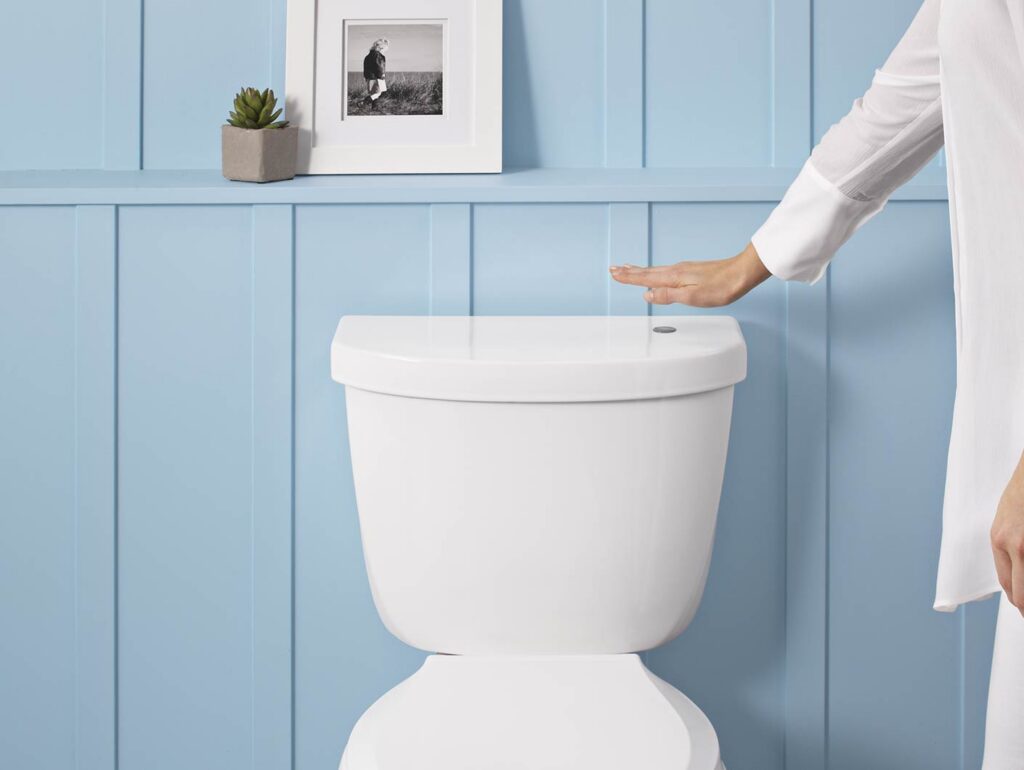
If you're wondering how to stop a toilet from running, start by removing the tank lid and identifying where the water is moving. In many cases, the problem comes from a worn flapper, a faulty fill valve, an improperly adjusted float, or a disconnected fill tube.
A running toilet can waste hundreds of gallons of water over time and increase utility bills. The good news is that many causes can be identified and corrected with a few simple checks before calling a plumber.
Did You Know?
According to the U.S. Environmental Protection Agency (EPA), household leaks can waste nearly 10,000 gallons of water annually, and running toilets are among the most common sources of indoor water waste.
How to Stop a Toilet From Running: Start With These Quick Checks
Before replacing parts, take a few minutes to inspect the tank.
If you're looking for how to stop toilet from running quickly, start by checking the flapper, fill valve, float, and fill tube. Make sure nothing is tangled, disconnected, or preventing the components from moving properly.
In some cases, how to stop a running toilet in seconds is as simple as untangling the chain connected to the flapper or adjusting the float height.
Check the Supply Line and Water Connection
The supply line connects the toilet to the home's water supply.
Inspect the supply line for leaks, corrosion, or loose connections. Also verify that the shutoff valve is fully open. Supply issues can sometimes create symptoms that look like internal toilet problems.
Check the Fill Tube Is Properly Connected
A disconnected or misplaced fill tube can cause the toilet to cycle repeatedly.
Open the tank and confirm the fill tube is properly connected to the overflow tube. If it has slipped out of position, reconnecting it can restore normal operation.
Check for a Stuck Flapper
The flapper controls the flow of water from the tank into the bowl during a flush.
If the flapper is warped, cracked, or covered with buildup, water can continue leaking into the bowl. Try cleaning the flapper and surrounding seat first. If the material is damaged, replacement is inexpensive and straightforward.
Check for a Valve Seal Problem
A worn valve seal can allow water to pass through continuously.
Inspect the valve seal for visible wear, cracking, or deterioration. If the seal no longer creates a proper barrier, replacing it can stop the leak and restore normal tank operation.
Why Won't My Toilet Stop Running?
If you're asking why won't my toilet stop running, one of these issues is usually responsible:
- Worn flapper
- Damaged valve seal
- Float adjusted too high
- Faulty fill valve
- Mineral buildup inside components
- Aging toilet parts
Common Running Toilet Problems We See in Charleston Homes
After decades of serving Charleston homeowners, we've found that running toilets are often caused by the same handful of issues. Mineral buildup from local water conditions frequently affects fill valves and flappers, especially in older homes throughout downtown Charleston, James Island, and West Ashley.
In newer homes, we often find improperly adjusted floats or factory-installed components that have worn prematurely. In older homes with toilets that are more than 15 years old, deteriorated rubber seals and aging flush valves are among the most common causes of continuous running.
Many service calls that begin as a simple running toilet end with a minor component replacement that restores normal operation in less than an hour.
Fix a Toilet Running Because of Flapper Problems
Flapper problems account for a large percentage of toilet running complaints.
Start by inspecting the flapper for cracks, warping, or buildup. If cleaning does not solve the problem, replace the flapper with a compatible model. After installation, flush the toilet several times to confirm the seal is working properly.
How to Fix Toilet Running Issues Caused by the Fill Valve
A failing fill valve can continuously add water to the tank.
Listen for constant water flow or watch for water entering the overflow tube. Some fill valves can be adjusted, while others require replacement. If adjustments don't solve the issue, replacing the valve will.
How Do You Stop a Toilet From Running Using the Float?
The float controls the water level inside the tank.
If the float is set too high, water can continue flowing into the overflow tube. Adjust the float downward and test the toilet again. If the float no longer responds correctly, replacement may be necessary.
Perform a Simple Dye Test to Confirm a Leak
If you're unsure whether water is leaking from the tank into the bowl, a dye test can help.
- Remove the tank lid.
- Add several drops of food coloring to the tank water.
- Wait 15 to 20 minutes without flushing.
- Check the toilet bowl.
If colored water appears in the bowl, the flapper or valve seal is allowing water to pass through and likely requires cleaning or replacement.
When Toilet Running Means a Bigger Plumbing Problem
A running toilet combined with leaks around the base, recurring drainage problems, or multiple fixture issues can point to larger concerns. Homeowners dealing with a toilet leaking or potential sewer line problems should have the plumbing system inspected.
In some cases, older fixtures with recurring issues are better candidates for toilet installation service rather than repeated repairs.
When Replacement May Be Better Than Repair
Repair is often the most cost-effective option when only a flapper, fill valve, or seal fails. However, replacement may make more sense when:
- The toilet is more than 20 years old.
- Multiple internal components have failed.
- The fixture has visible cracks.
- Repairs have become frequent.
- You want improved water efficiency.
Modern WaterSense-certified toilets use significantly less water than many older models while maintaining strong flushing performance.
When to Call a Charleston Toilet Repair Professional
DIY troubleshooting can solve many problems, but some situations require professional help.
Call for service if your toilet keeps running after multiple repair attempts, water is leaking around the base, the tank is cracked, or hidden plumbing damage is suspected. LimRic Plumbing, Electrical, Heating & Air provides professional toilet repair services throughout Charleston and surrounding communities.
Need Help Fixing a Running Toilet in Charleston?
If you've tried the common fixes and the problem continues, professional diagnosis can save time and prevent unnecessary water waste. Manufacturers such as Kohler, American Standard, and Fluidmaster recommend periodically inspecting flappers, fill valves, and seals because these components naturally wear over time and are among the most common causes of running toilets.
LimRic Plumbing, Electrical, Heating & Air provides same-day plumbing service throughout Charleston, Mount Pleasant, Summerville, and nearby communities. Schedule online or call today for help with how to stop a toilet from running and other plumbing concerns.
Schedule Online(843) 380-2175Frequently Asked Questions
Yes. Even a small leak inside the tank can waste a surprising amount of water every day. Left unresolved, a running toilet can significantly increase monthly utility costs.
In most cases, the toilet will still function temporarily. However, continued use can increase water waste and place additional wear on internal components, making repairs more likely.
Costs depend on the failed component and the extent of the repair. Simple flapper or fill valve replacements are generally less expensive than replacing major components or the fixture itself. If repair costs continue adding up, toilet replacement services may be the more practical option.
Small leaks often become more noticeable when the home is quiet. A deteriorating flapper, failing fill valve, or slow leak inside the tank can cause the toilet to cycle periodically, especially overnight.