




Blog
Best Heating System For a House In South Carolina - Should Heat Pumps Be Considered for a South Carolina Home
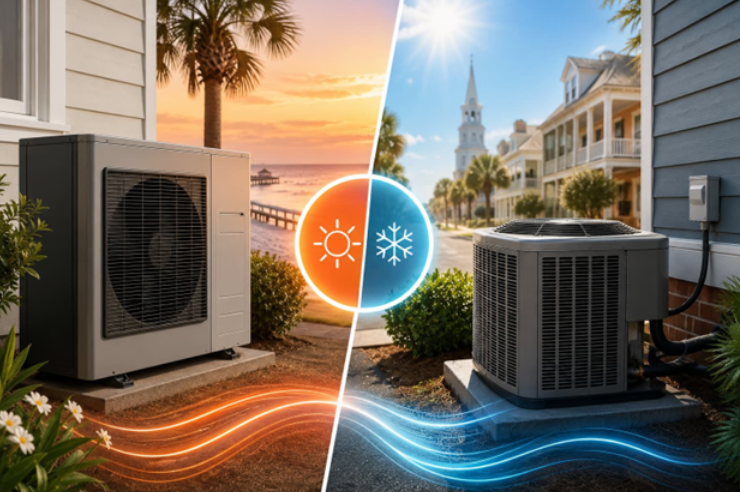
Choosing the best heating system for your house in South Carolina starts with understanding the local climate. Charleston's mild, damp winters favor equipment that heats efficiently without being designed around months of freezing temperatures. A heat pump fits many local homes because it provides heating during winter and cooling through the area's long, hot, humid summers.
Your existing equipment, ductwork, insulation, energy source, and budget will help determine if a heat pump, furnace, or hybrid system fits your home.
How To Choose The Best Heating System For House In South Carolina
Before replacing your equipment, consider how your house holds heat, what infrastructure is already in place, and how much energy a new system will use.
Key factors include:
- Heating and cooling load: Square footage, insulation, windows, air leakage, ceiling height, and layout affect how much heating and cooling your home needs.
- Existing ductwork: Usable ducts support central heat pumps and furnaces. Homes without ductwork have options such as ductless heat pumps.
- Energy source: Natural gas availability and electrical capacity influence equipment and installation costs.
- Cost: Compare installation expenses with expected energy use and maintenance needs.
What Is the Best Heating System for Homes in South Carolina?
For many South Carolina homes, a high-efficiency heat pump is a strong choice. It provides efficient heating during mild winters and reverses operation to cool the house during hot weather. Homes with natural gas benefit from hybrid heating, which combines a heat pump with a furnace for another source of heat during colder conditions.
Best Heating Systems for Homes: Pros and Cons
Heat pumps fit South Carolina's climate well, but existing equipment and the design of your home can make another system worth considering.
Heat Pumps and Best Whole-House Heat Pumps
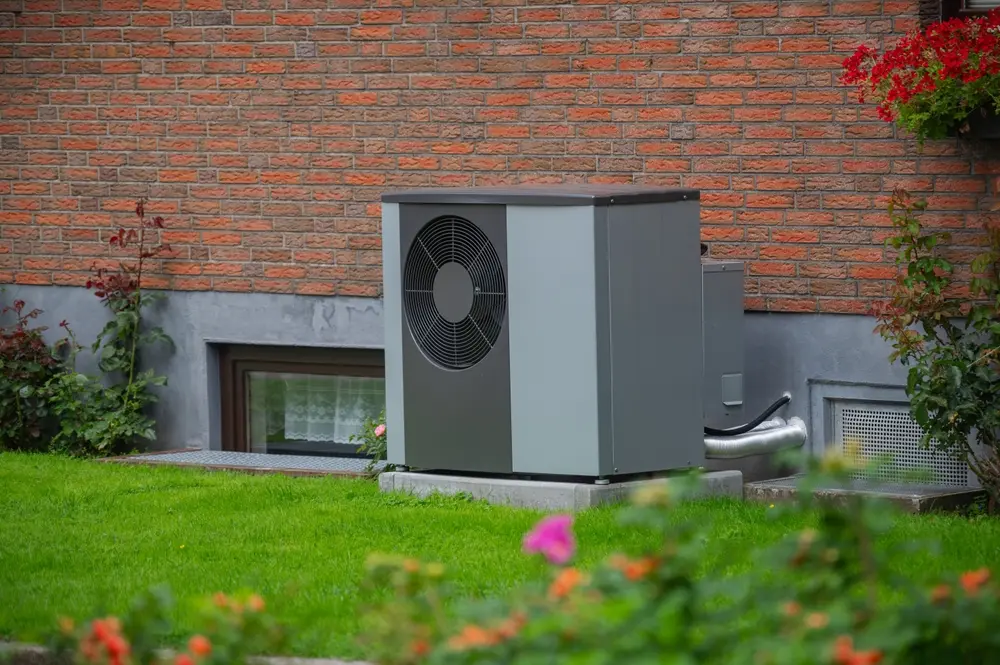
Heat pumps transfer heat instead of creating it through combustion. During winter, the system moves heat from the outdoor air into your home. During summer, it reverses direction and removes heat from the house.
This makes heat pumps a practical fit for Charleston's long cooling season and shorter heating season. When comparing the best whole-house heat pumps, look beyond efficiency ratings. Equipment capacity, duct condition, insulation, and humidity control all affect operation.
If you already have a heat pump or other heating equipment, our heating system services cover routine maintenance and repairs when something goes wrong.
Furnaces And Central Heating Systems
Gas and electric furnaces generate heat and distribute it through ductwork as part of a central heating system. A furnace can make sense when a home already has compatible ductwork and natural gas service.
Existing equipment doesn't automatically need replacement when a problem develops. If your furnace still has service life remaining, our heating system repair service can correct the problem without jumping straight to replacement.
Geothermal Heat Pump and Radiant Heating Options
A geothermal heat pump uses an underground piping to exchange heat with the ground. Stable underground temperatures support efficient heating and cooling, but installation requires more site work and a larger upfront investment than an air-source heat pump.
Radiant heating warms a home through heated floors, radiators, or other water-based systems. It eliminates the need for forced-air ductwork, but adding radiant heat to an existing home can require extensive changes.
Hybrid Heating and Alternative Heating Systems
A hybrid system combines an electric heat pump with a gas furnace. The heat pump handles heating under milder conditions, while the furnace provides another heat source when needed.
For homes that already have natural gas, hybrid heating can preserve furnace heat while adding the heating and cooling advantages of a heat pump.
Wood stoves can supplement a primary system in rural homes but aren't a practical primary heat source for many Charleston properties.
Cold snaps can expose problems with aging equipment. If your system stops heating your home when temperatures fall, our 24-hour emergency heating service is available for urgent heating problems.
How To Select the Best Heating System for Your Home
Start with the house rather than a product list. A heating and cooling load calculation accounts for home size, insulation, windows, air leakage, and layout. Existing ductwork should also be inspected for airflow problems.
Next, compare equipment cost with expected energy use, maintenance needs, and the condition of your current system. These factors help determine which option makes sense beyond the initial purchase price.
LimRic Plumbing, Electrical, Heating & Air can help you compare options for your Charleston home. When replacement is the next step, our heating system installation team can install equipment selected for your home's heating and cooling needs.
We serve Charleston-area homeowners with heating, cooling, electrical, and plumbing work, including water filtration system installation for homeowners addressing water quality.
Charleston's hot, humid summers and damp winter weather make the local climate an important part of equipment selection. The goal is to choose a system that fits your house, existing infrastructure, energy use, and budget.
Schedule Online(843) 380-2175Frequently Asked Questions
For many homes in South Carolina, a heat pump is the most energy-efficient heating system because it transfers energy rather than generating it. Modern heat pumps provide efficient heating and cooling in one system, lowering overall energy use. In larger homes, hybrid heating systems that combine heat pumps and furnaces can improve efficiency and comfort. LimRic Plumbing, Electrical, Heating & Air can evaluate your home and recommend the best heating system based on energy performance, installation needs, and long-term cost.
Heat pumps are often more efficient than gas furnaces in mild climates because they move energy instead of burning fuel. However, furnaces can deliver stronger heating output during colder temperatures. The right heating system depends on your home’s size, insulation, and energy goals. In South Carolina, many homeowners choose heat pumps or hybrid systems for better efficiency and lower cost over time. LimRic Plumbing, Electrical, Heating & Air helps compare heating systems to determine which system fits your home best.
Older homes may benefit from heat pumps, hybrid heating systems, or upgraded furnaces depending on existing ductwork and insulation. A properly sized heating system improves efficiency, comfort, and energy savings. In some cases, radiant heating with water and radiators can be considered, but installation may be more involved. The best heating system for houses in older South Carolina homes is one that matches the structure’s layout and energy needs. LimRic Plumbing, Electrical, Heating & Air can assess your home and recommend efficient heating options.